
A practical guide to selecting sterilization pouches by format, closure and documented compatibility. Check packaging use, indicator limits, storage and the product documents needed for a sourcing discussion.
Product guide
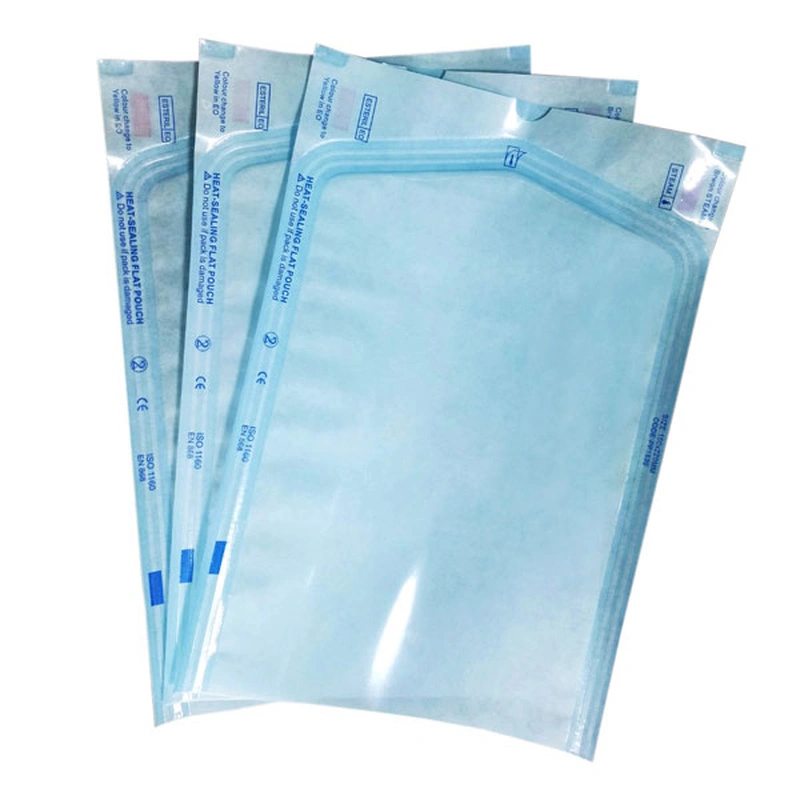
Sterilization pouches are packaging components used in a sterile barrier system for items undergoing sterilization. Selecting a pouch means matching the item, closure, packaging material and sterilization process. The pouch does not sterilize its contents, and an intact-looking pouch alone does not establish that the process was satisfactory.
What is the purpose of a sterilization pouch?
The packaging system is intended to protect the processed device until the point of use. Its materials and construction must be suitable for the intended process and subsequent handling. ISO 11607-1 addresses materials, sterile barrier systems and packaging systems for terminally sterilized medical devices.
Choose materials by documented compatibility
Paper-and-film pouches, other porous materials and different film constructions are not interchangeable merely because they look similar. Check the exact product's stated sterilization compatibility. Do not describe all pouch paper as waterproof or assume that a heat-resistant bag is a suitable sterile barrier.
CDC describes packaging as needing to admit the sterilant while providing a protective microbial barrier after processing. It also identifies materials that are unsuitable for particular sterilization methods. See CDC's packaging discussion.
Common formats and closure methods
| Format | Point to confirm |
|---|---|
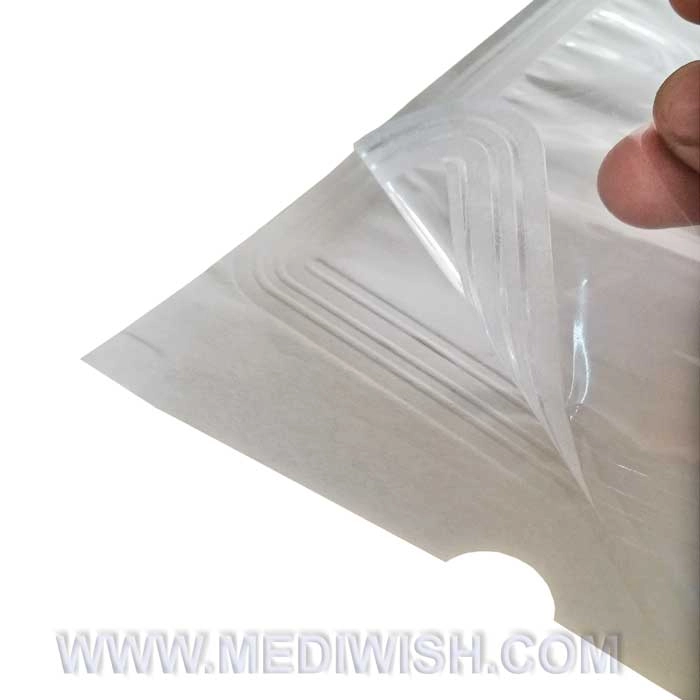
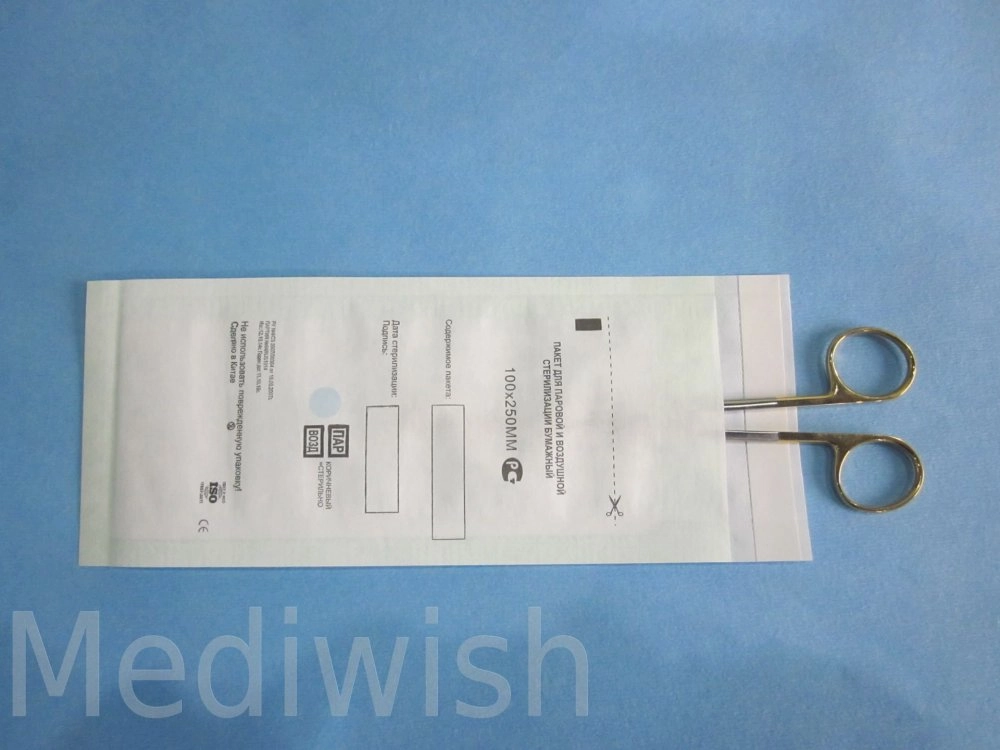
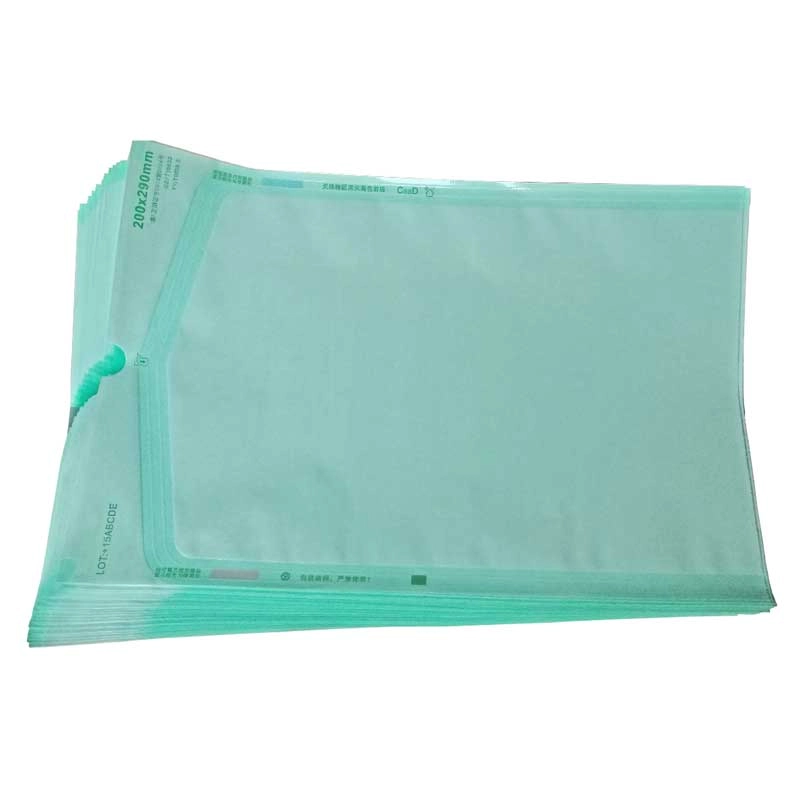
| Self-seal pouch | The closure is completed using the product's adhesive and folding instructions. |
| Heat-seal pouch | A suitable sealer and the specified sealing process are needed. |
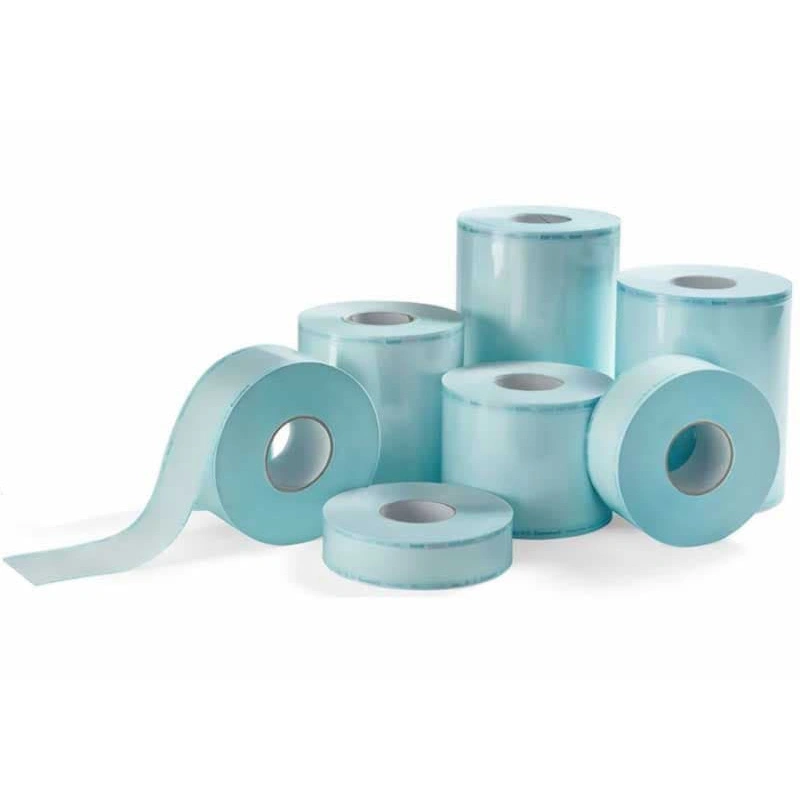
| Reel or tubing | The user forms a pouch by cutting the required length and sealing it as instructed. |
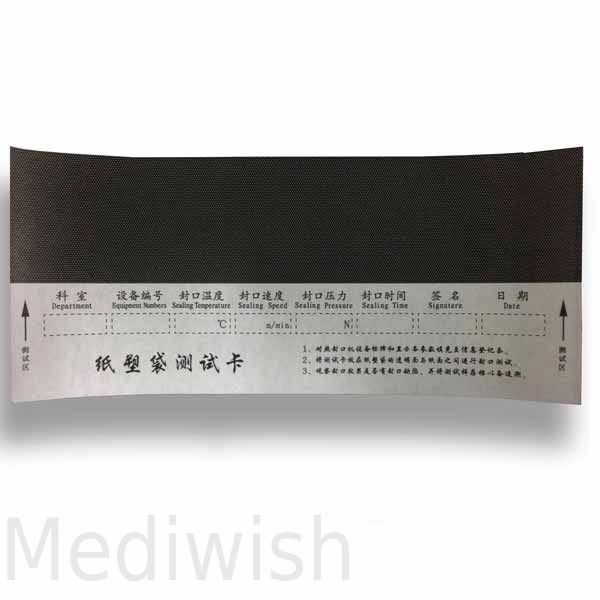
The closure name is not a performance ranking. ISO 11607-2 concerns development and validation of forming, sealing and assembly processes. A generic article cannot supply sealing settings for an unidentified material and sealer combination.
What to check before processing
Use the instructions for the device, packaging and sterilizer together. Resolve incompatible instructions with the relevant manufacturers rather than choosing an unverified compromise. FDA's reusable-device guidance addresses the scientific validation and labelling of reprocessing instructions. Read the FDA reprocessing guidance.
- Confirm the intended method and cycle, usable pouch dimensions and closure requirements.
- Prepare, clean, dry and inspect the device as instructed before packaging.
- Pack and close it without compromising the pouch or seals.
- Use the sterilizer's specified load arrangement and packaging instructions. There is no single paper-side-facing-the-chamber rule for every system.
- Review the relevant monitoring and packaging results before release under the facility's procedure.
What does an indicator on a pouch mean?
A printed chemical process indicator can help distinguish processed from unprocessed packaging. It does not prove that the contents are sterile or replace other required monitoring. In dental settings, CDC recommends a chemical indicator inside every package, with an external indicator as well when the internal one cannot be seen from outside. Follow the applicable local requirements, facility procedure and product instructions when selecting, placing and reading indicators. CDC's dental monitoring guidance explains internal and external indicator use.
How long can a processed pouch be stored?
There is no universal six-month period for every pouch and every storage environment. CDC relates the shelf life of packaged sterile items to the packaging, storage, transport, handling and events that compromise integrity. Facilities may use event-related or time-related storage policies.
Protect the packaging during storage and inspect it before use. A wet, torn or punctured pack requires repackaging and reprocessing before use under the applicable procedure. Follow any applicable expiry and product limitations; event-related storage is not a reason to disregard the manufacturer's instructions. See CDC recommendations 18.a–18.g on sterile-item storage.
For purchasing and stock control, record the supplied packaging's stated storage and expiry information separately from the facility's records for the processed device. Do not infer a new storage period from a supplier's general marketing description.
What should a buyer request?
A product-specific discussion should identify the device or load, sterilization method, usable dimensions, closure, required pack quantity and destination market. Request current instructions, a specification and the evidence relevant to the proposed packaging and sealing process.
Check that documents identify the offered product or configuration. Match the exact product with the documentation applicable to its intended market, rather than relying on an ISO standard number, a company certificate or a general FDA/CE statement alone.
Common questions
Can any heat-resistant bag replace a sterilization pouch?
No. Heat resistance alone does not establish suitability for the intended sterile barrier system and sterilization process. Select the documented packaging configuration.
Can I reuse a single-use pouch?
A pouch labelled for single use is not a reusable sterilization container. Follow the product's intended use and instructions.
Why is one side transparent?
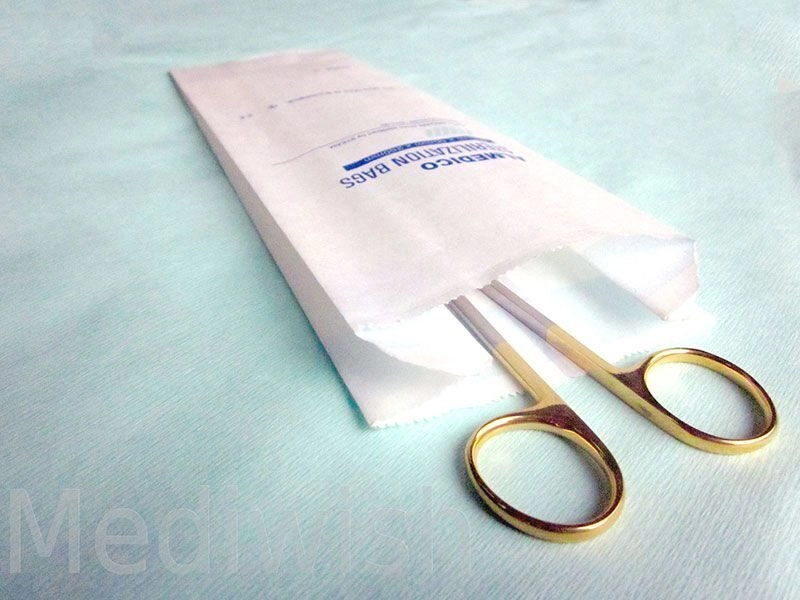
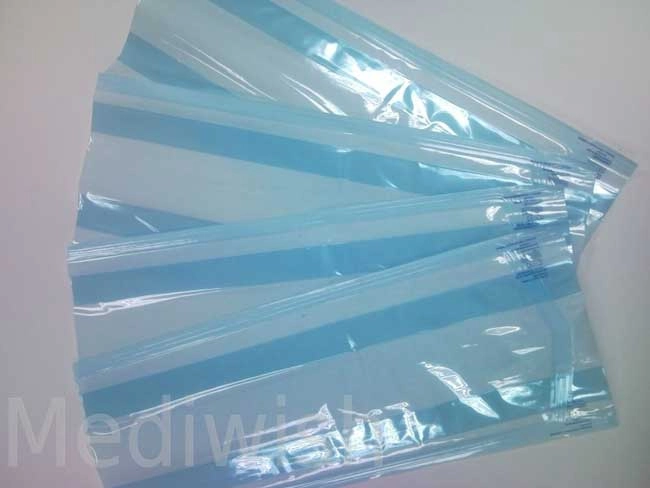
In a paper-and-film construction, the film side helps the user see the contents without opening the pouch. Other packaging constructions differ; transparency alone says nothing about sterilization compatibility.