






Cleaning and Reprocessing Validation for Medical Devices: Addressing Key Challenges and Ensuring Patient Safety
Importance of Cleaning and Reprocessing Validation in Medical Devices
Overview of Key Challenges and Patient Safety
Validation plays a crucial role in maintaining the safety of medical devices. The cleaning process eliminates contaminants that could pose risks, while reprocessing, which involves multiple cycles of cleaning and sterilization, ensures that single-use devices can be safely reused. However, challenges such as material degradation, contamination risks, and mechanical failures complicate the process. Addressing these challenges head-on is key to preventing patient harm and complying with industry regulations.
Understanding Cleaning Validation and Reprocessing
Definitions and Differences: Cleaning vs. Sterilization
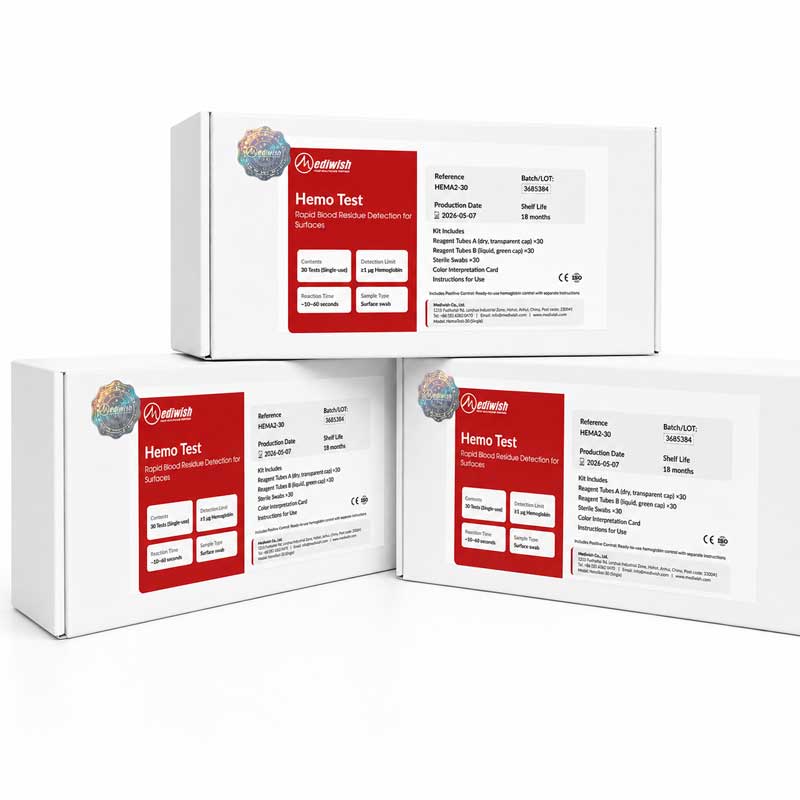
Cleaning validation focuses on the removal of contaminants such as proteins, blood, or debris from a medical device, ensuring it is free from harmful residues before sterilization. Sterilization, on the other hand, is the process of eliminating all microorganisms to ensure the device is safe for use. While cleaning validation deals with contaminants, sterilization ensures microbiological safety.
Regulatory Requirements and Industry Standards
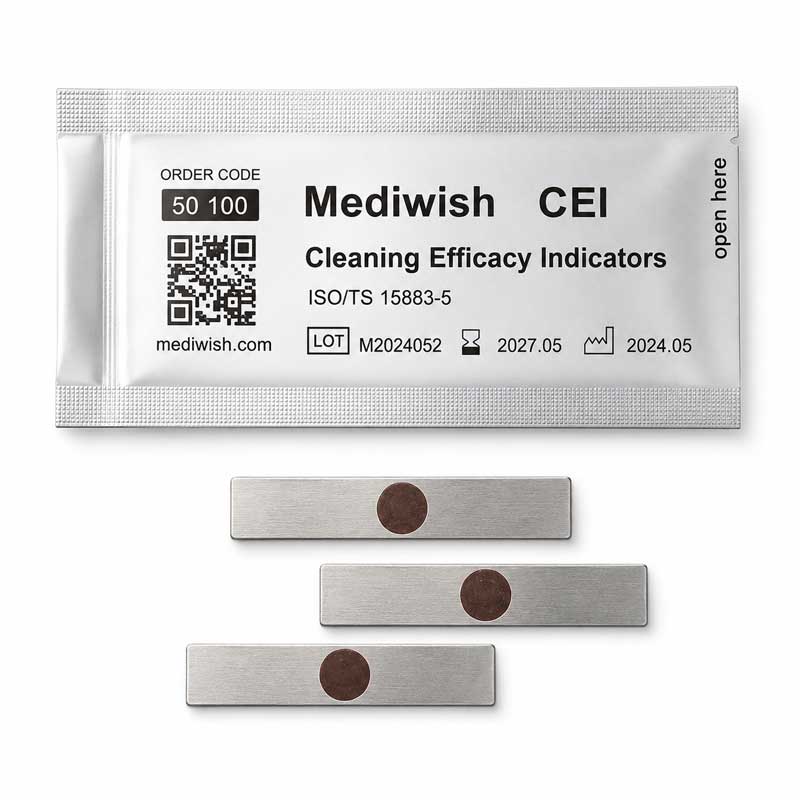
The medical device industry follows stringent regulations and standards to guarantee patient safety. Regulatory bodies such as the FDA and ISO (International Organization for Standardization) define the requirements for cleaning and reprocessing validation. Compliance with standards such as ISO 17664 and ISO 15883 ensures that devices are cleaned and sterilized to the highest standards.
Challenges in Reprocessing Validation for Single-Use Medical Devices
Mechanical Weaknesses and Failures
Repeated cycles of cleaning and sterilization can lead to wear and tear on single-use medical devices, causing mechanical failures that compromise their functionality. Materials may degrade, leading to cracks, brittleness, or weakening that is not immediately visible but can lead to device failure during use.
Contamination Build-Up
As single-use devices are not designed for multiple uses, contaminants may accumulate during the cleaning process. Some residues, particularly those in hard-to-reach areas like lumens or blind holes, can remain on the device despite standard cleaning protocols, posing a risk of cross-contamination.
Sterility Assurance
Ensuring that devices remain sterile after reprocessing is critical. Any lapse in the sterilization process, caused by insufficient cleaning or material degradation, can make the device unsafe for patient use.
Steps in Reprocessing Validation
Establishing Clear Acceptance Criteria
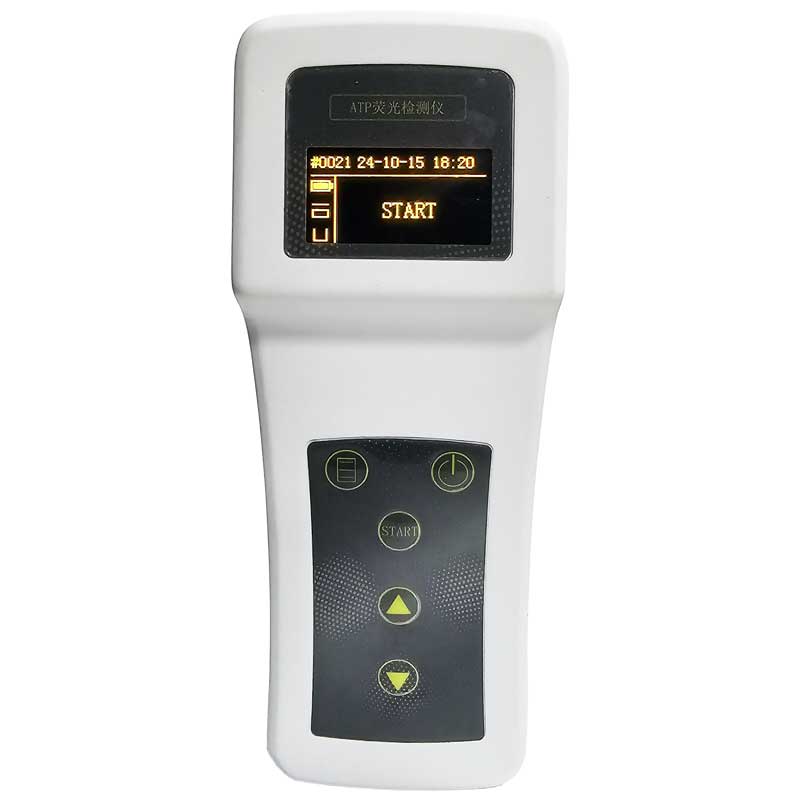
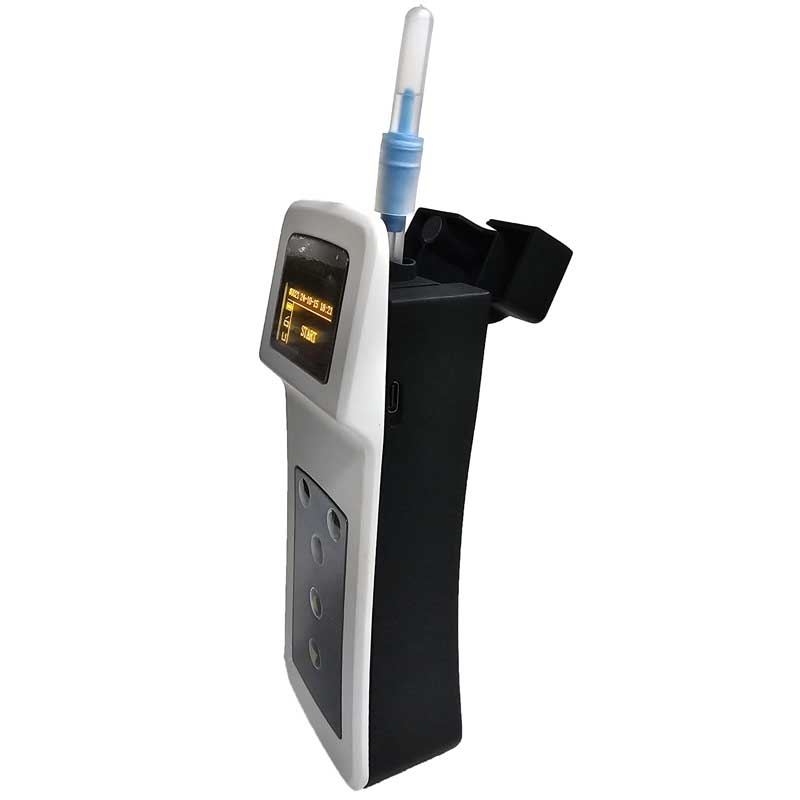
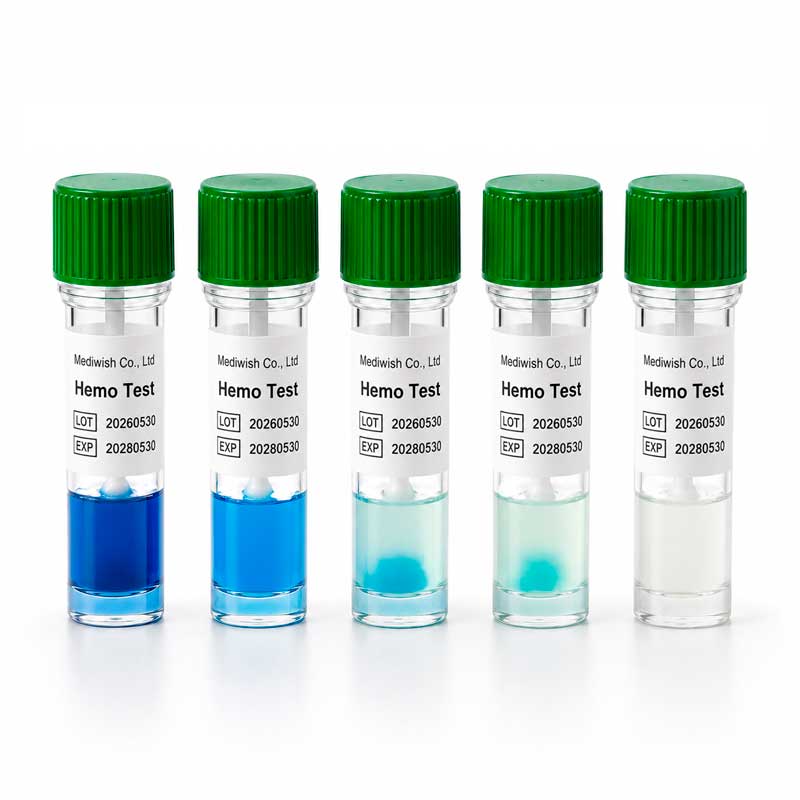
For a reprocessing cycle to be deemed successful, it must meet specific acceptance criteria. These include microbial load testing, protein residue tests, and visual inspections to confirm that the device is free from soil or contaminants.
Ensuring Material Compatibility
Different materials react differently to cleaning and sterilization processes. It is essential to evaluate how the materials in single-use devices will withstand repeated exposure to harsh chemicals, temperature fluctuations, and mechanical stress.
Quantitative Risk Assessment
A risk-based approach should be employed to assess contamination risks, failure modes, and necessary adjustments in the cleaning process. Understanding these risks ensures that the reprocessing method is both effective and safe.
Impact of Process Changes and the Necessity for Revalidation
Changes in Cleaning Solutions
Introducing new cleaning agents or modifying the cleaning procedure may affect the effectiveness of the reprocessing process. New agents must be tested for compatibility with the device materials and their ability to remove contaminants effectively without causing damage.
Adjustments in Sterilization Protocols
Changes to sterilization protocols—such as altering exposure time or temperature—may require revalidation to ensure that devices remain sterile and safe for reuse.
Statistical Evaluation in Cleaning Validation
Importance of Process Capability Analysis
Process capability analysis plays a vital role in ensuring that the reprocessing process consistently meets safety and regulatory standards. It evaluates whether the process is capable of delivering reliable, repeatable results within specified limits.
Use of Process Capability Indices (Cp, Cpk)
Statistical tools like Cp and Cpk indices help assess whether the cleaning and sterilization process consistently achieves the desired outcomes. This is crucial in maintaining compliance with industry standards and ensuring patient safety.
Selection and Application of Test Soils in Cleaning Validation
Simulating Real-World Conditions
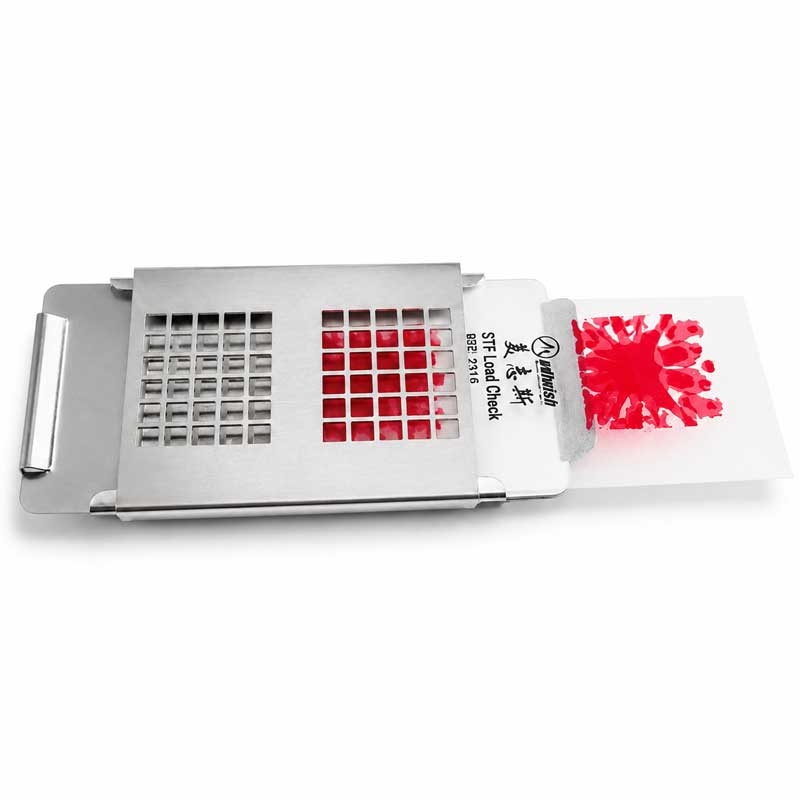
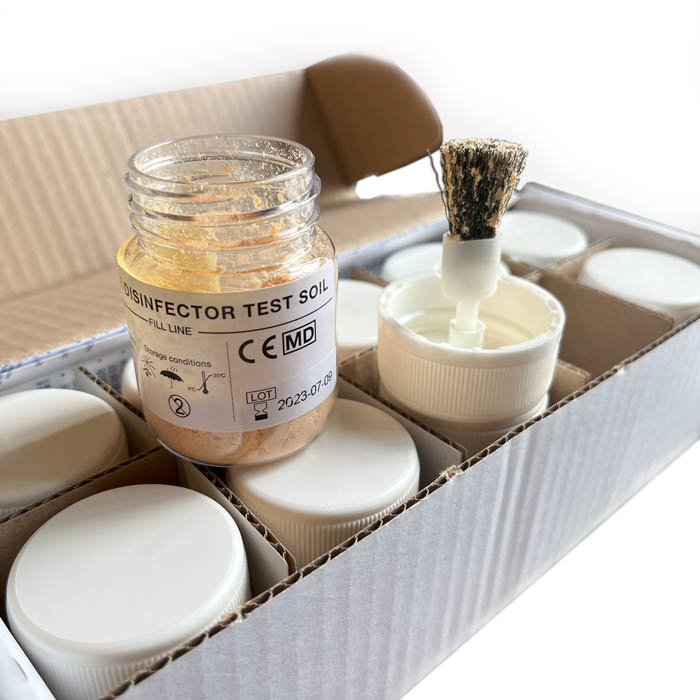
To validate the cleaning process, test soils that replicate real-world contaminants, such as proteins, oils, and blood, are used. These test soils are critical in ensuring that the cleaning process can effectively remove typical residues found on medical devices.
Soil Compatibility and Residue Behavior
The choice of test soil must not interfere with the cleaning process or alter the properties of the device. The test soil should simulate how contaminants behave under cleaning conditions to ensure realistic validation results.
Worst-Case Scenario Testing
Worst-case scenario testing ensures that the cleaning process can handle extreme contamination levels and complex geometries. This includes testing devices with intricate features, like blind holes or lumens, where contaminants are often trapped.
Importance of Additive Manufacturing in Cleaning Validation
Material Compatibility Challenges
Additive manufacturing (AM) uses a variety of materials, such as plastics and metals, each of which may react differently to cleaning agents and sterilization methods. Tailored cleaning processes must be developed to avoid material degradation or functional loss.
Geometry Challenges and Customized Cleaning Processes
AM allows for complex geometries, including internal channels or knurled surfaces, which can trap contaminants. Cleaning methods must be customized to ensure that all residues are removed, even from difficult-to-reach areas.
Risk Assessment and Management in Additive Manufacturing
The complexity and variability in AM devices require a thorough risk assessment to evaluate cleaning challenges. Custom cleaning solutions may be necessary to address these risks, ensuring that devices meet residue and sterility standards.
Conclusion
Summary of Key Points
Cleaning and reprocessing validation is essential for ensuring the safety and effectiveness of medical devices. Key challenges, such as material degradation, contamination risks, and complex device geometries, must be addressed with robust validation protocols. Regulatory compliance, statistical evaluation, and customized cleaning methods are critical components in maintaining device sterility and functionality.
Emphasis on Safety and Compliance
By adhering to industry standards and conducting thorough validation, manufacturers can ensure that reprocessed and cleaned medical devices meet the highest safety standards. This protects patients and ensures regulatory compliance, helping maintain trust in medical devices.