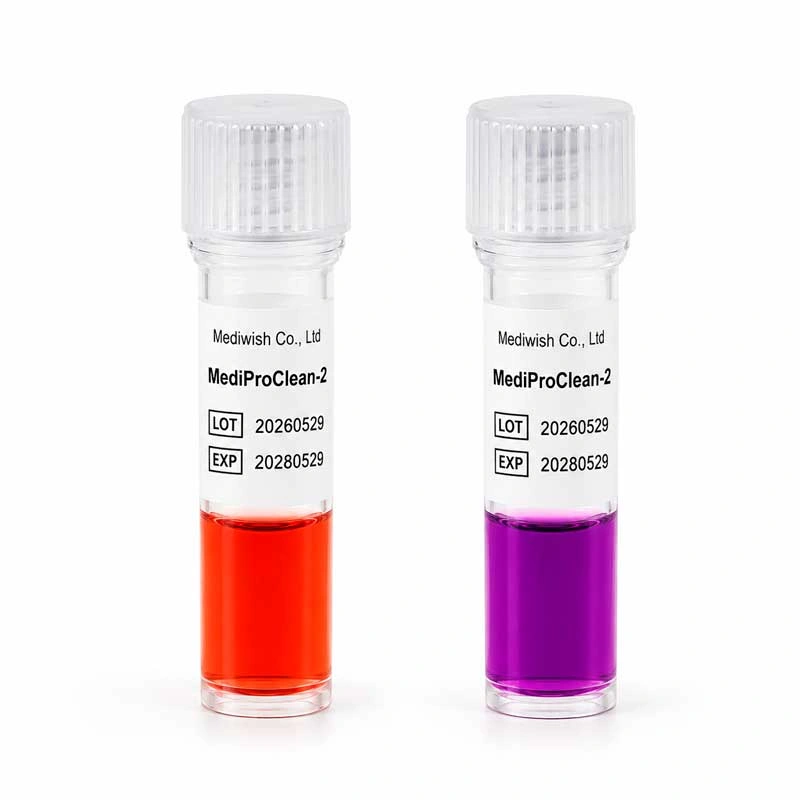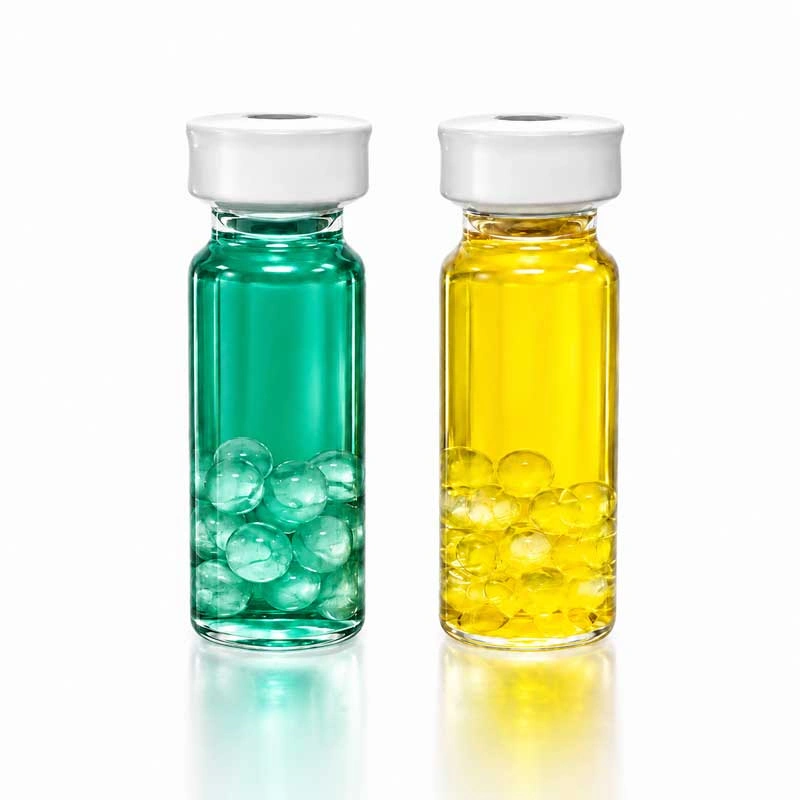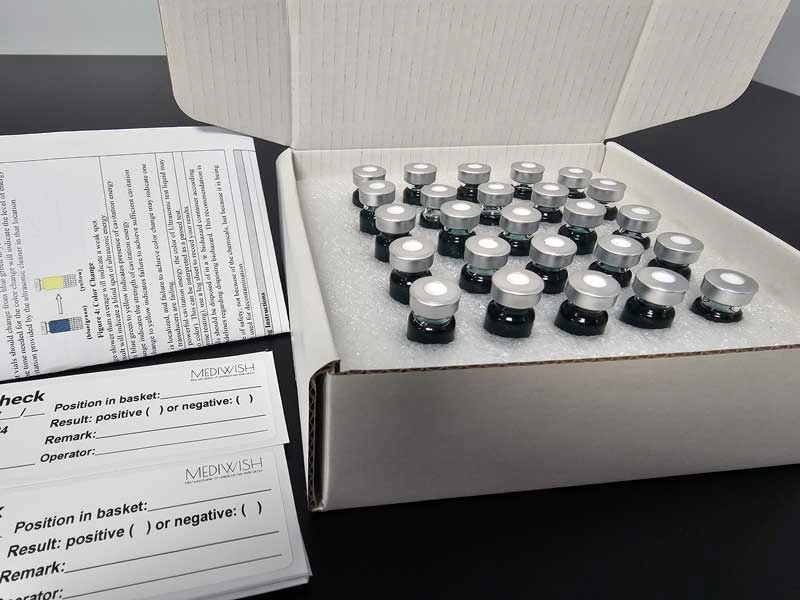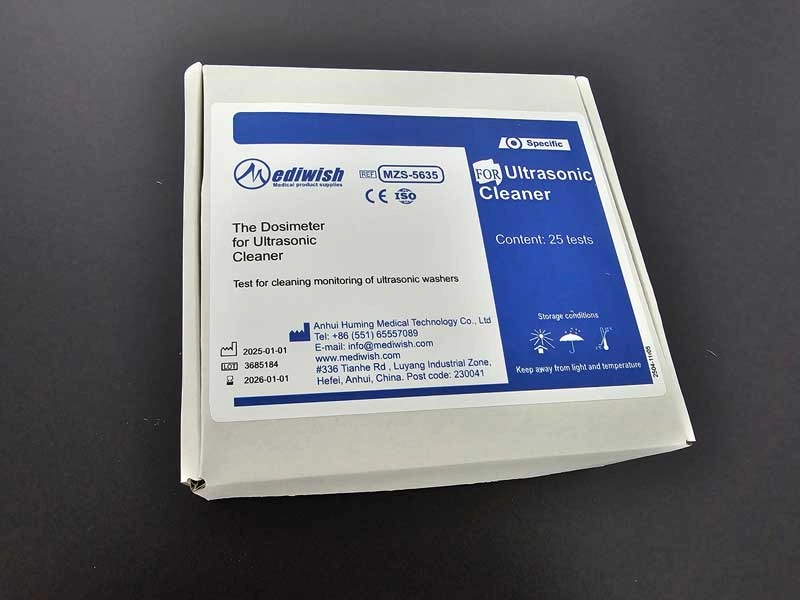
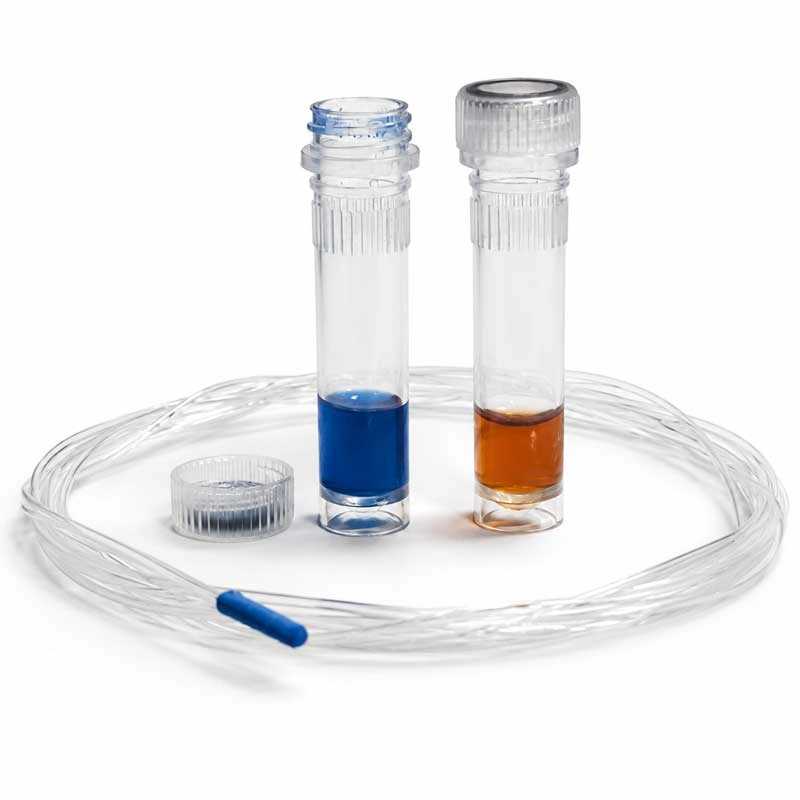
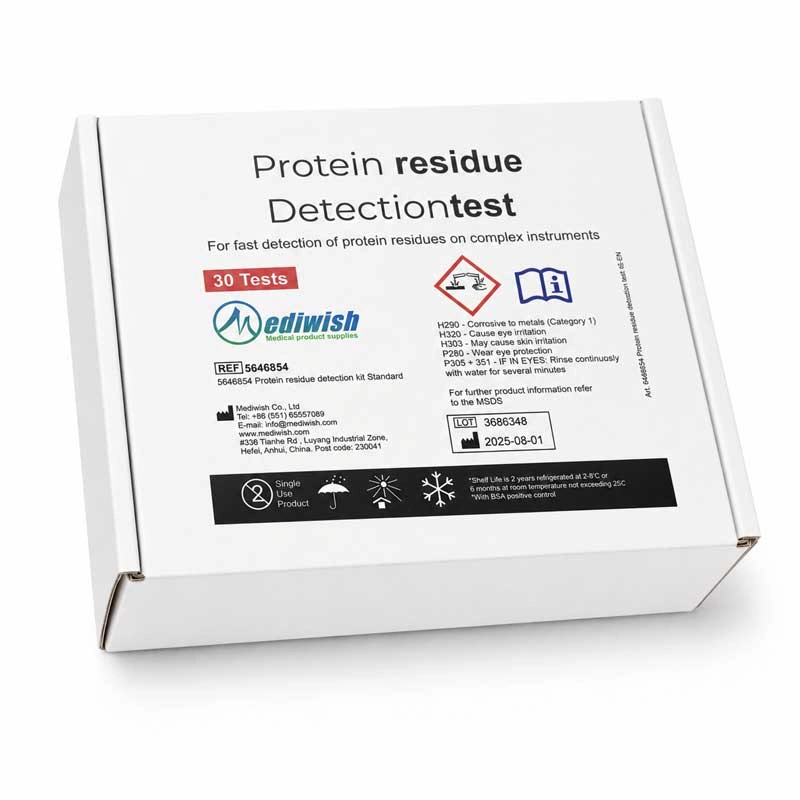
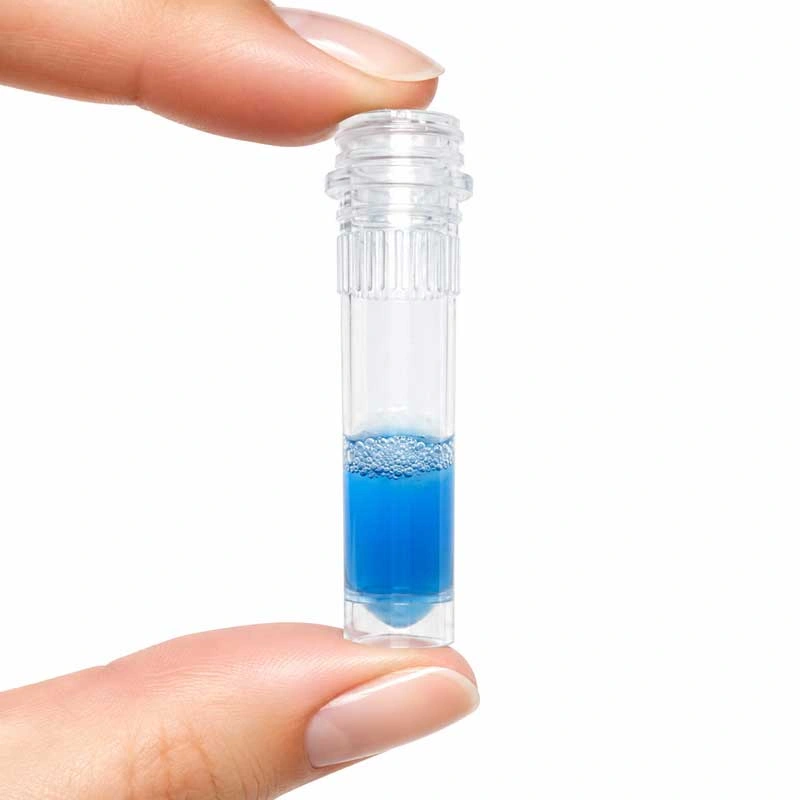
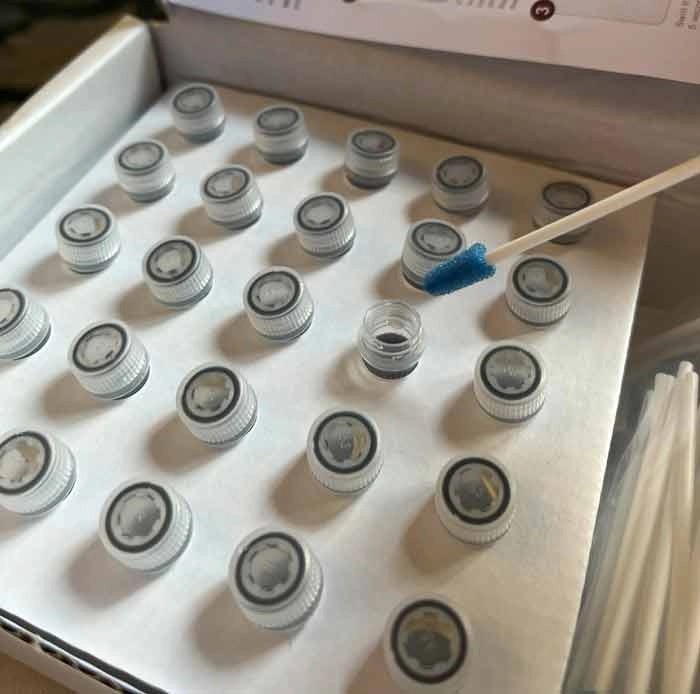



Mediwish™ Protein Residue Test Kit rapidly detects residual protein after cleaning. The 10-second visual colour-change test is suitable for surgical instruments, endoscopes, dental instruments, hard-to-clean surfaces and washer-disinfectors.
Mediwish™ Protein Residue Test Kit: Ensuring Cleanliness Across Various Environments
Introduction
Protein residue testing is a critical process for verifying the effectiveness of cleaning methods in healthcare, dental, food safety, and other environments where sterility and hygiene are paramount. The Mediwish™ Protein Detection Kit provides an efficient, rapid solution for detecting protein residues, ensuring that cleaning procedures are thorough and that surfaces are free from harmful contaminants. This article explores the importance of protein residue testing across diverse sectors, offering insights into its use in healthcare, dental practices, and food safety, along with guidance on troubleshooting when cleaning methods fail.
Why Choose Mediwish™ Protein Detection Kit?
The Mediwish™ Protein Detection Kit stands out for its rapid results, high sensitivity, and easy-to-use design. Here’s why it is the preferred choice for cleaning validation:
Fast Results in 10 Seconds: Get immediate feedback on cleaning effectiveness, allowing you to adjust processes in real time.
High Sensitivity (0.1μg): Detect even trace amounts of protein, ensuring thorough cleaning across all surfaces.
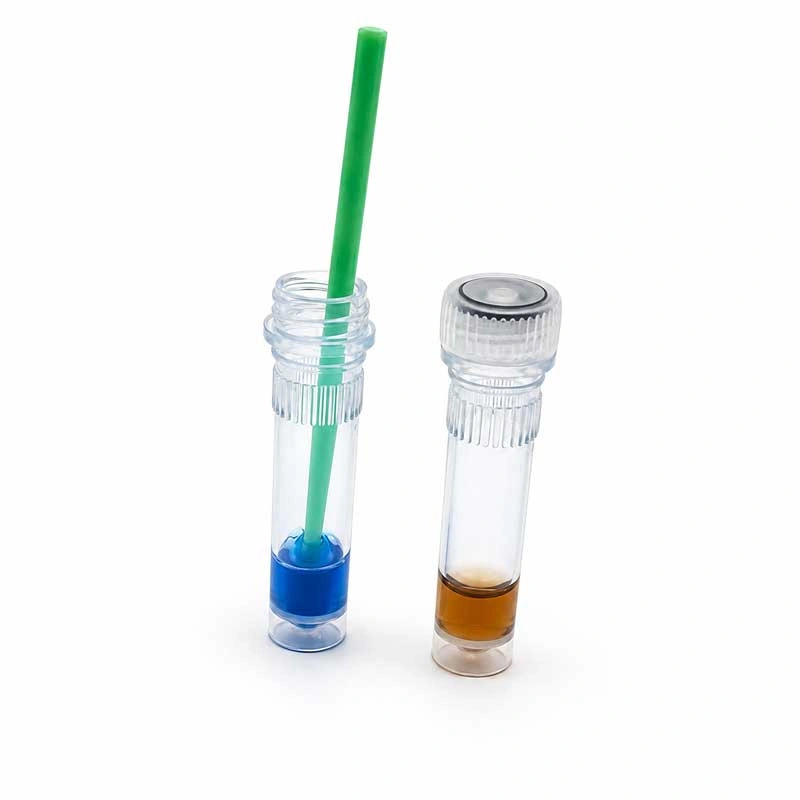
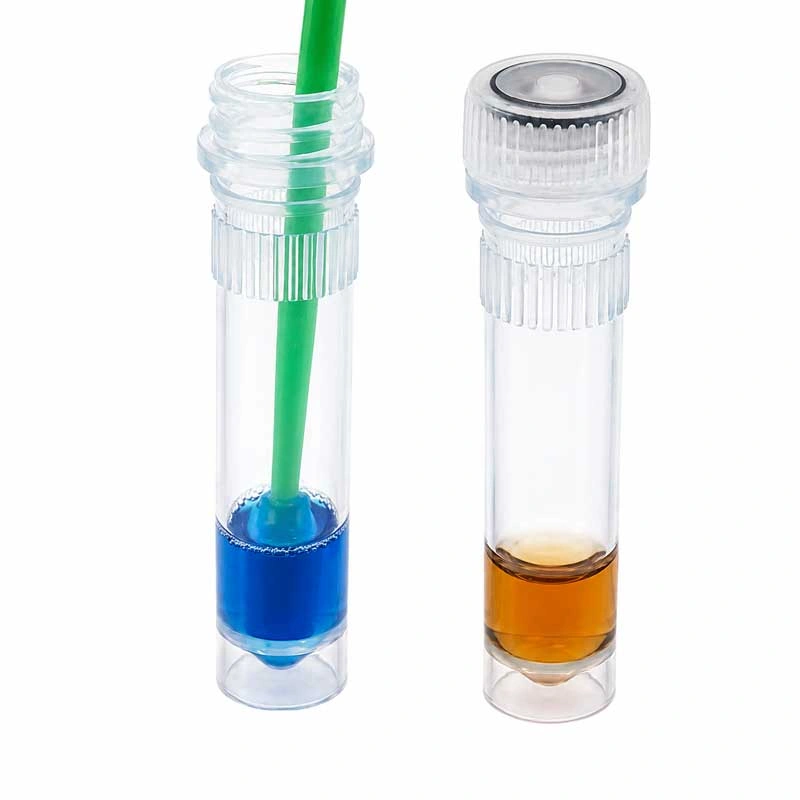
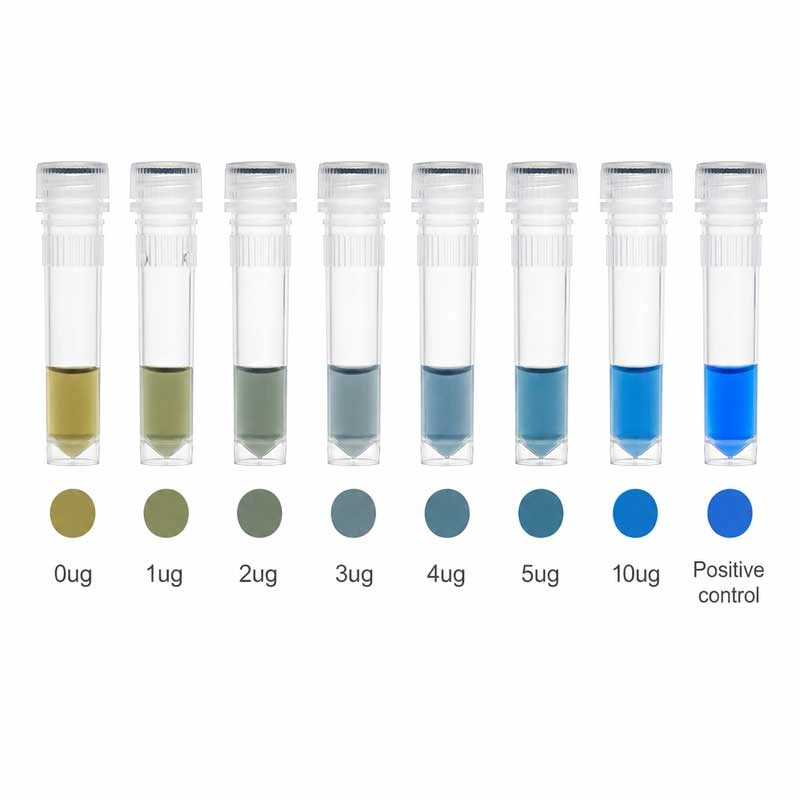
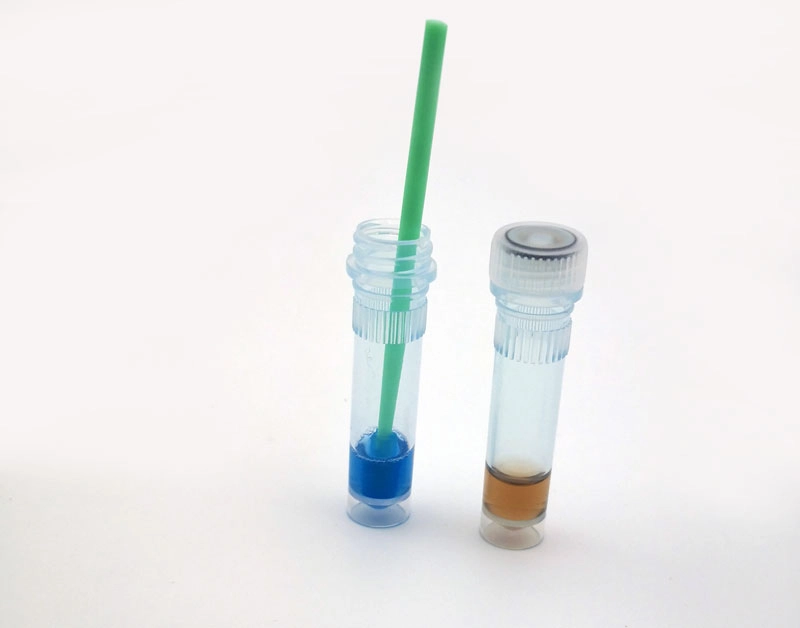
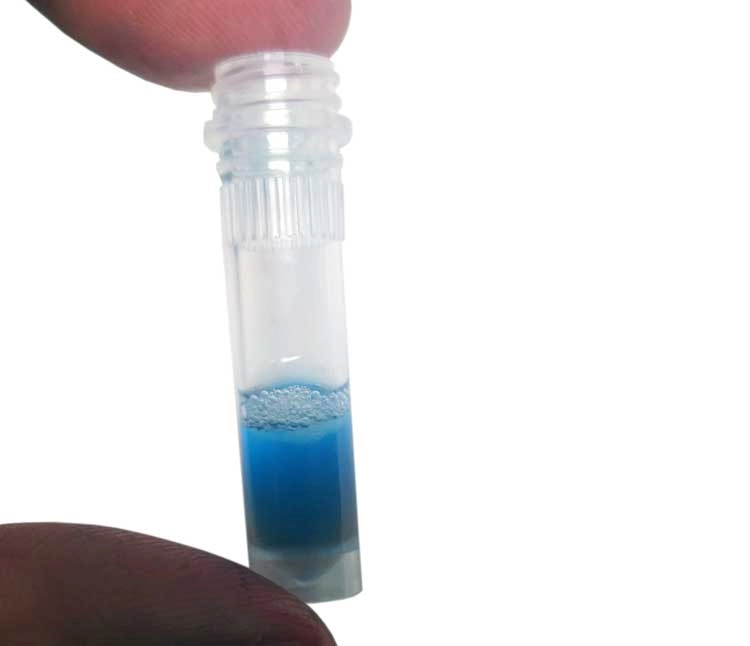
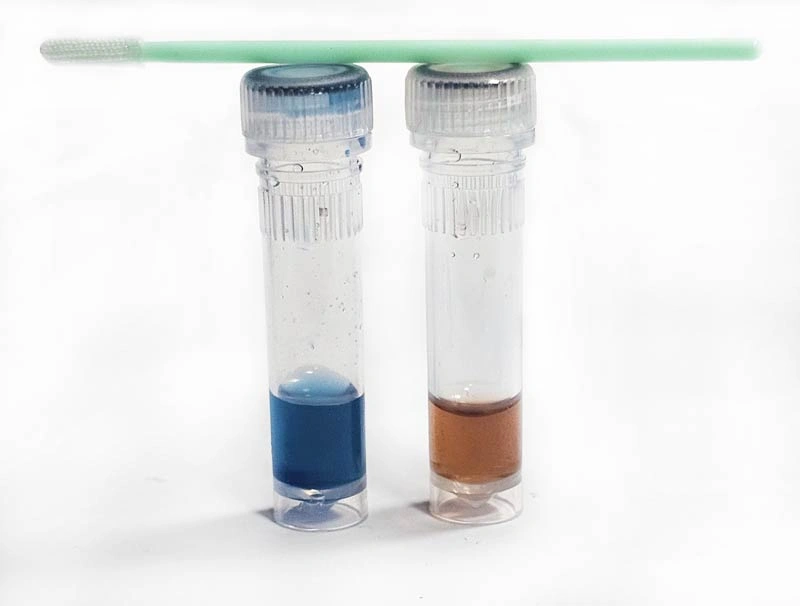
User-Friendly: The simple color change from light brown to blue makes interpretation quick and easy.
Compliance with EN ISO 15883: Meets international standards for medical device cleaning verification.
Applications: Beyond Healthcare to Dental and Food Safety
The Mediwish™ Protein Detection Kit is not just for healthcare. It is also widely used in other environments where cleanliness is essential, including dental practices and food safety applications.
Healthcare:
In healthcare settings, the kit is crucial for confirming the cleanliness of surgical instruments, endoscopes, and washer disinfectors. Protein residue testing ensures that equipment is free of contaminants, reducing the risk of hospital-acquired infections (HAIs).
Dental Practices:
Protein residue testing in dental offices is critical for verifying the cleanliness of dental instruments and equipment such as dental bibs, impression trays, and syringe tips. Ensuring that no protein residue is left behind helps avoid cross-contamination and maintains a sterile environment for patients.
Food Safety:
In food processing environments, protein residue testing verifies the cleanliness of surfaces and equipment used in food production. Since protein residues are challenging to remove compared to other substances like glucose, they serve as an ideal indicator for surface contamination. Protein residues in food equipment can lead to contamination and pose a serious risk to consumer health. Using the Mediwish™ Protein Detection Kit helps ensure that cleaning protocols are effective in removing protein residues and preventing contamination.
How It Works: Step-by-Step Guide
The Mediwish™ Protein Detection Kit is designed to be quick and easy to use. Here’s how to perform a test:
Swab the Surface: Use the sterile swab provided to rub the surface to be tested. If needed, moisten the swab with sterile or distilled water for dry surfaces.
Activate the Reagent: Unscrew the vial and immerse the swab into the reagent solution, ensuring the swab is fully saturated.
Observe the Color Change: After 10 seconds, check the swab. A blue color indicates the presence of protein residue, with the intensity of blue corresponding to the amount of residue present.
Record Results: Document the results for compliance and quality control purposes.
Tips for Accurate Testing:
Ensure that the swab covers an adequate area of the surface.
If the color change is faint, consider retesting with a fresh swab and reagent.
Diagnosing Cleaning Method Effectiveness
Protein residue testing plays a key role in diagnosing the effectiveness of cleaning methods in various environments. Whether in healthcare, dental, or food safety contexts, protein residues are often the most challenging to remove, making them a reliable indicator of cleaning success.
Why Protein Residue?
Proteins are notoriously difficult to remove from surfaces compared to other residues like glucose or lipids. They bind tightly to surfaces, especially in hard-to-reach areas such as instrument cavities or equipment crevices. Therefore, protein residues are an excellent marker for testing the thoroughness of cleaning processes. If protein is present, it suggests that the cleaning process was ineffective in removing potentially harmful contaminants.
What to Do if a Protein Residue Test Fails
If a protein residue test indicates that cleaning has been ineffective, it’s essential to diagnose the root cause and adjust the cleaning process accordingly. Here's a step-by-step guide to troubleshooting and improving your cleaning method:
Re-evaluate Cleaning Procedures:
Check Cleaning Protocols: Review your cleaning protocols to ensure that all steps are being followed properly, including pre-rinsing, washing, and disinfection. Incomplete cleaning or missed steps can result in residual protein.
Examine Cleaning Equipment: Inspect equipment like washer disinfectors or ultrasonic cleaners to ensure they are functioning properly. Machines that are not properly maintained or calibrated may fail to remove all residues.
Diagnose the Method of Cleaning:
Cleaning Agent Efficacy: Ensure that the correct cleaning agents are used and that they are appropriate for the materials being cleaned. Some surfaces may require specific detergents or chemicals to break down proteins effectively.
Proper Temperature and Time: Verify that the cleaning process uses the right water temperature and duration. Inadequate temperature or insufficient cleaning time can hinder protein removal.
Re-Test the Surface: After adjusting the cleaning method, repeat the protein residue test. If the test still shows a positive result, you may need to refine the cleaning method further.
Additional Considerations:
Surface Damage: If the surfaces being cleaned are damaged or have residues that are too deeply embedded, it may be necessary to use alternative cleaning methods or equipment.
Test Failure After Multiple Attempts: If a test fails repeatedly, both the cleaning method and the test method should be re-evaluated. It’s important to rule out human error or issues with the test kit itself, such as expired reagents.
Troubleshooting and Additional Accessories
If you encounter issues with your protein residue tests, here are some solutions:
Faint or No Color Change: Ensure proper reagent activation and that sufficient protein residue was collected during swabbing. Consider retesting with fresh equipment.
False Positives: Ensure that the surfaces being tested are free from cleaning agents or detergents, which could interfere with the test results.
Enhance Testing Sensitivity:
In environments where protein residues are particularly difficult to detect, such as food safety or high-precision healthcare applications, consider using a sterilization incubator to enhance the sensitivity of your tests.
Frequently Asked Questions (FAQ)
What types of surfaces can I test with this kit?
The Mediwish™ Protein Detection Kit is suitable for testing various surfaces, including surgical instruments, endoscopes, food processing equipment, and dental tools.Why is protein chosen as an indicator of cleanliness?
Protein is a robust and reliable marker for contamination. Unlike other residues, proteins are difficult to remove and are commonly found in biological substances, making them an excellent indicator of surface cleanliness.How do I troubleshoot if a protein residue test indicates failure?
If the test fails, reevaluate your cleaning protocols, ensure the equipment is functioning properly, and verify that the right cleaning agents and temperatures are being used.
Contact Support
For any assistance or questions about the Mediwish™ Protein Detection Kit, reach out to our customer support team:
Email: info@mediwish.com
Phone: +86 (551) 65557089
Website: https://mediwish.com
The Mediwish™ Protein Detection Kit is an essential tool for ensuring cleanliness and sterility in a variety of environments. From healthcare to dental offices and food safety settings, protein residue testing is crucial for validating cleaning effectiveness. By following proper testing protocols and troubleshooting when necessary, you can ensure that your cleaning methods are thorough and effective, safeguarding both patient safety and food quality.
Order Your Mediwish™ Protein Detection Kit Today and Ensure Reliable Cleanliness in Your Facility
Photo gallery

Articles
1. Disinfection. It is carried out using chemical or physical methods: their advantages are ease and comfort of use.
2. Pre sterilization cleaning. The stage of processing instruments, carried out after disinfection and washing them from disinfectants. Self-monitoring of the procedure is carried out daily.
3. Sterilization. At this stage, a set of measures is being taken to destroy bacteria and viruses on surgical and other medical instruments.