
#PROP_TITLE#
#PROP_VALUE#

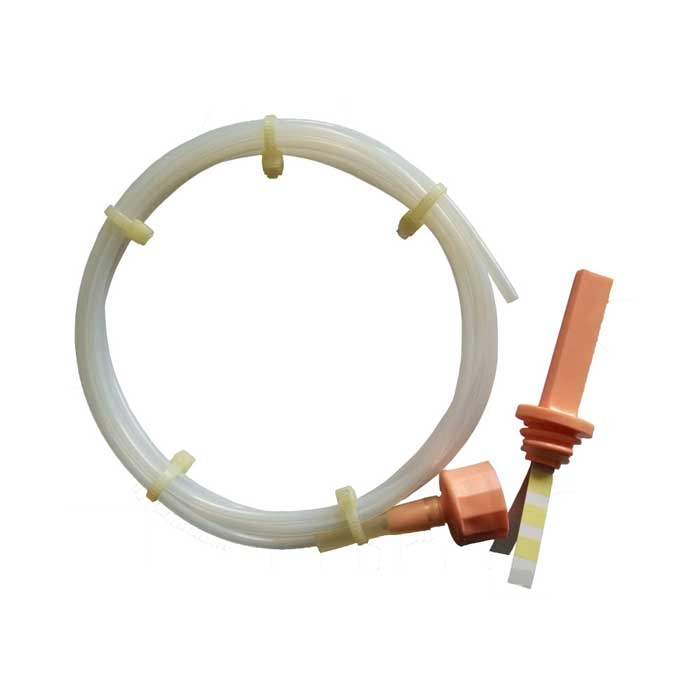
Sterility Assurance and Monitoring/Steam Sterilization/Bowie Dick Helix Test/PCD Autoclave
SKU 46536
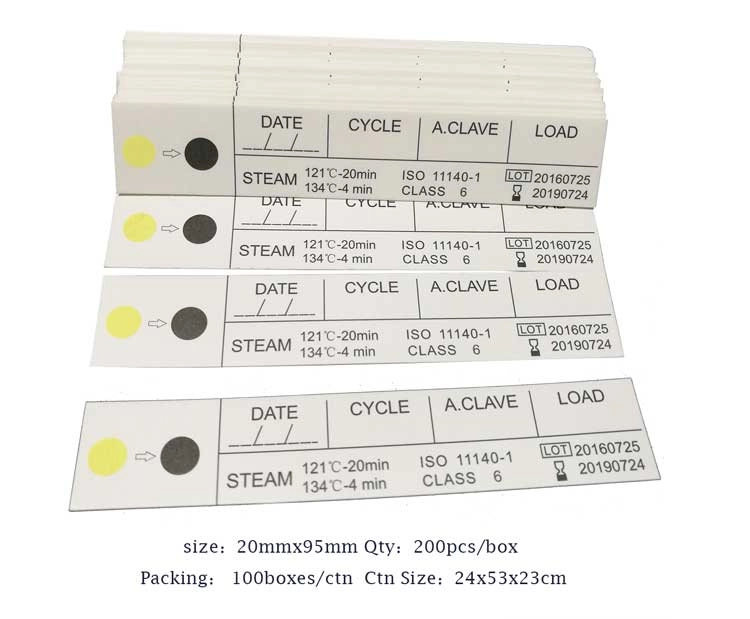
Sterility Assurance and Monitoring/Indicators for Sterilization/Chemical Indicators for Sterilization/Steam Sterilization/Autoclave Chemical Indicator: Ensuring Sterility/Class 6 Indicators for Sterilization
SKU 57853

Sterility Assurance and Monitoring/Indicators for Sterilization/Chemical Indicators for Sterilization/Steam Sterilization/Autoclave Chemical Indicator: Ensuring Sterility/Class 6 Indicators for Sterilization
SKU 68754

Sterility Assurance and Monitoring/Indicators for Sterilization/Chemical Indicators for Sterilization/Steam Sterilization/Autoclave Chemical Indicator: Ensuring Sterility/Class 6 Indicators for Sterilization
SKU 65484

Sterility Assurance and Monitoring/Indicators for Sterilization/Chemical Indicators for Sterilization/Steam Sterilization/Autoclave Chemical Indicator: Ensuring Sterility/Type 5 Chemical Indicator
SKU 453672
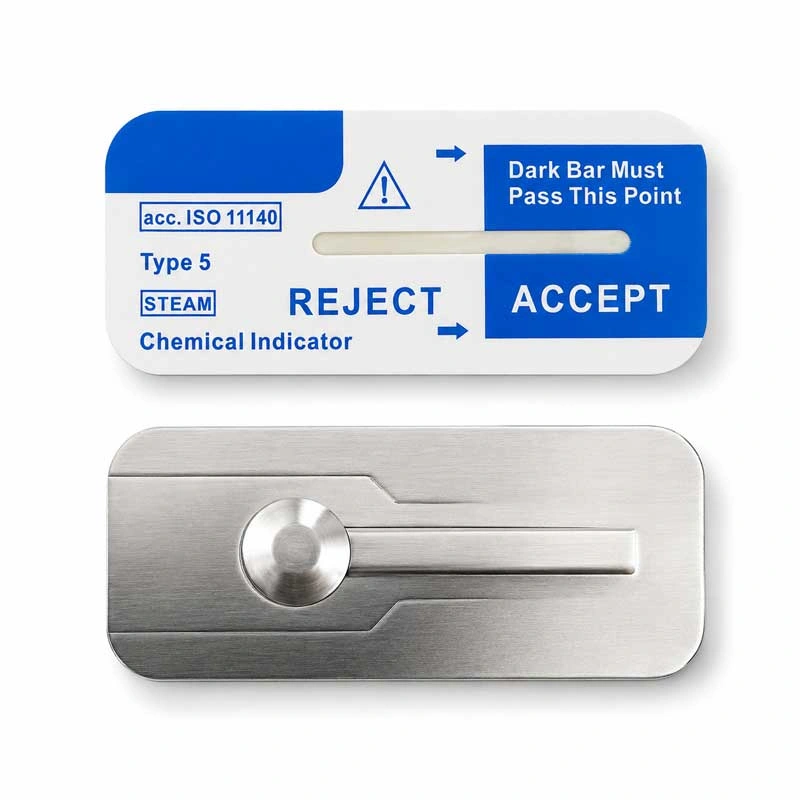
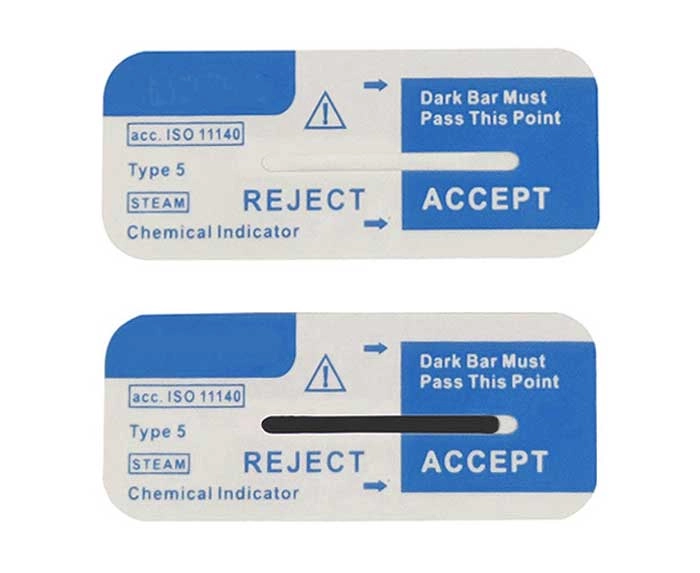
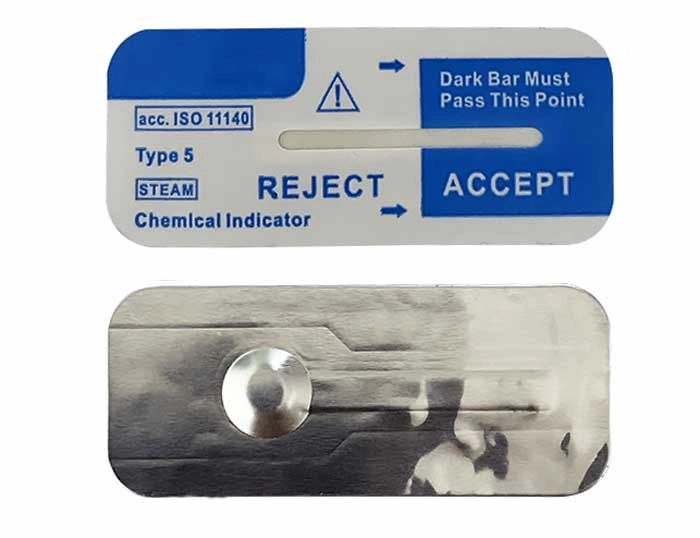
Sterility Assurance and Monitoring/Indicators for Sterilization/Chemical Indicators for Sterilization/Steam Sterilization/Autoclave Chemical Indicator: Ensuring Sterility/Type 5 Chemical Indicator
SKU 1978364
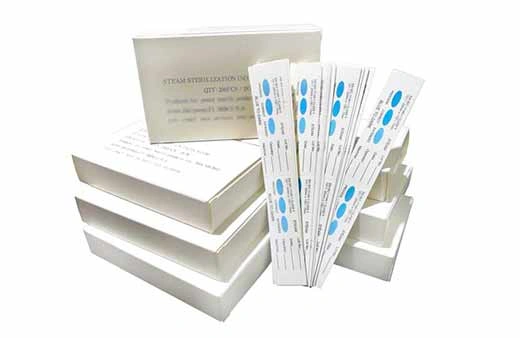


Sterility Assurance and Monitoring/Indicators for Sterilization/Chemical Indicators for Sterilization/Steam Sterilization/Autoclave Chemical Indicator: Ensuring Sterility/Type 5 Chemical Indicator

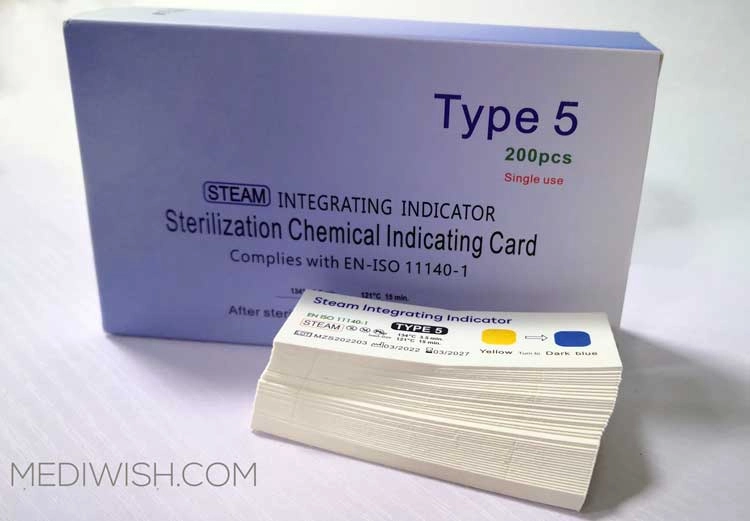
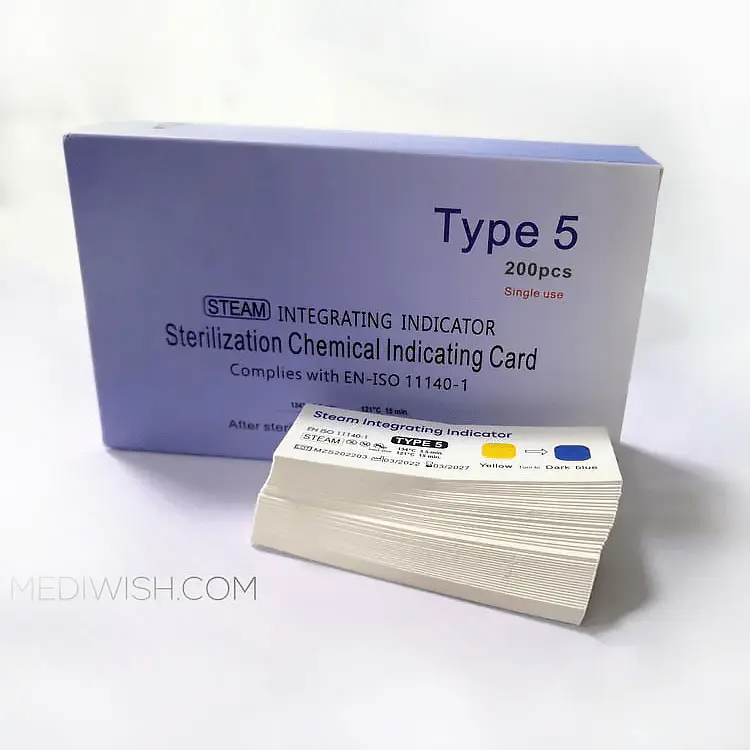
Sterility Assurance and Monitoring/Indicators for Sterilization/Chemical Indicators for Sterilization/Steam Sterilization/Autoclave Chemical Indicator: Ensuring Sterility/Type 5 Chemical Indicator
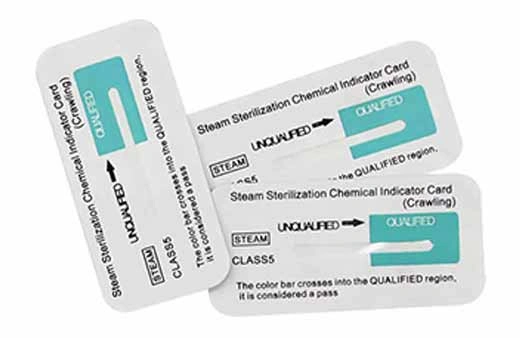
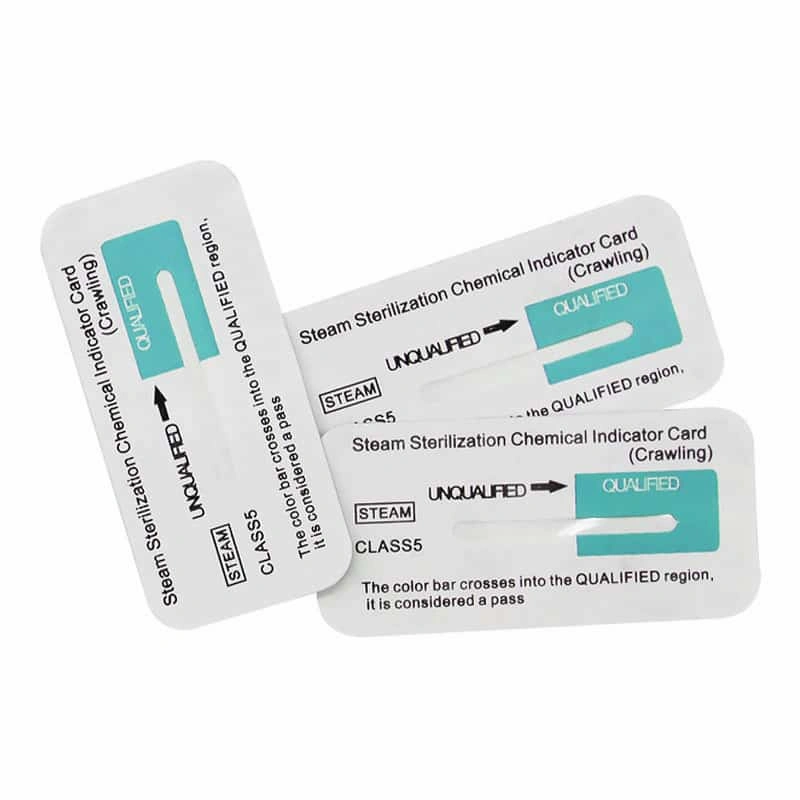
Sterility Assurance and Monitoring/Indicators for Sterilization/Chemical Indicators for Sterilization/Steam Sterilization/Autoclave Chemical Indicator: Ensuring Sterility/Type 5 Chemical Indicator
SKU 364576
SALE
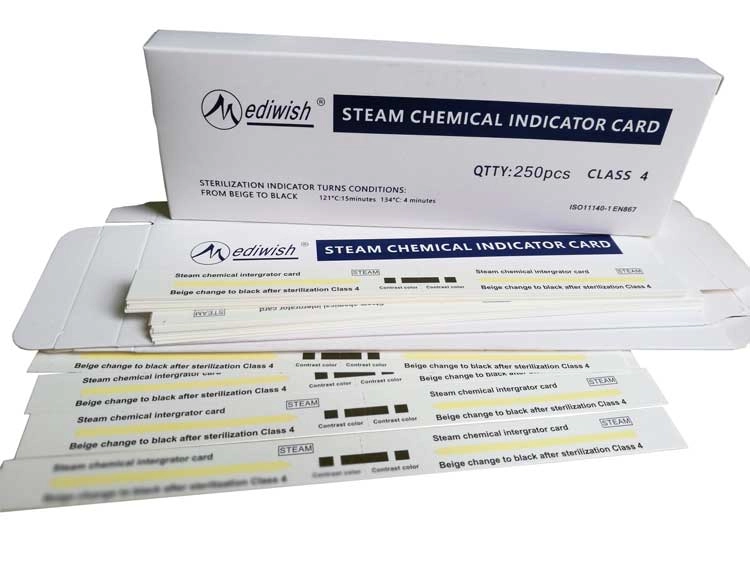
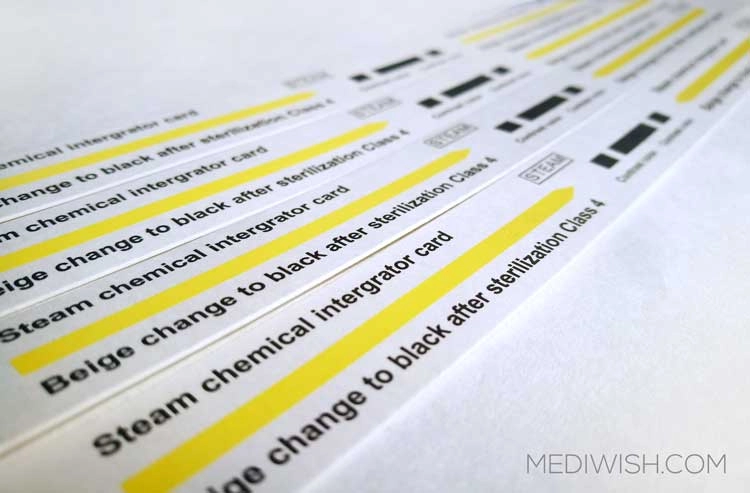
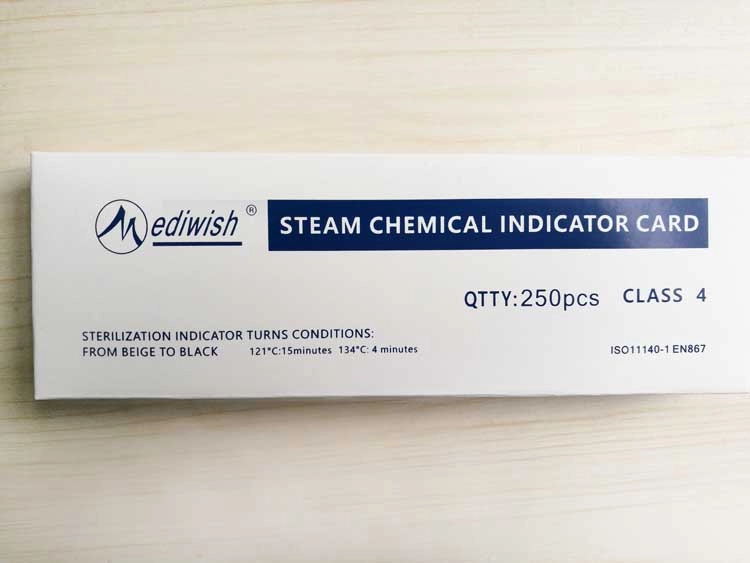
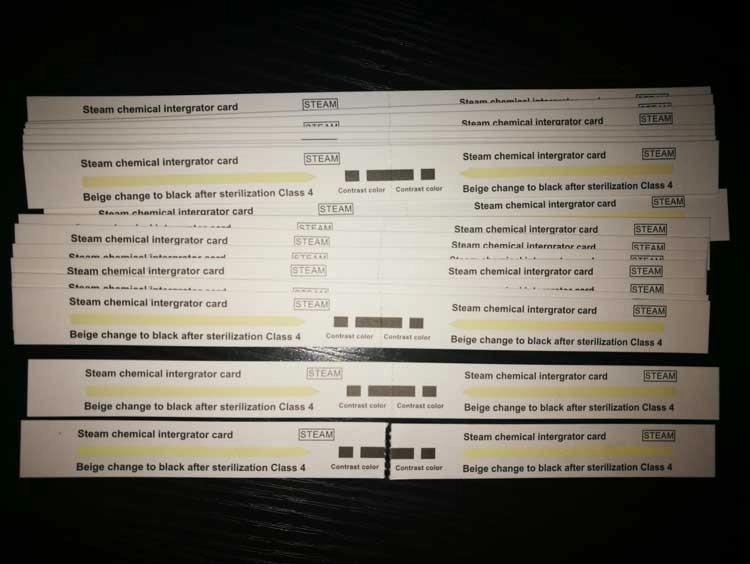
Sterility Assurance and Monitoring/Indicators for Sterilization/Chemical Indicators for Sterilization/Steam Sterilization/Autoclave Chemical Indicator: Ensuring Sterility/Chemical Indicators Class 4
SKU 47463
BEST SELLER
POPULAR
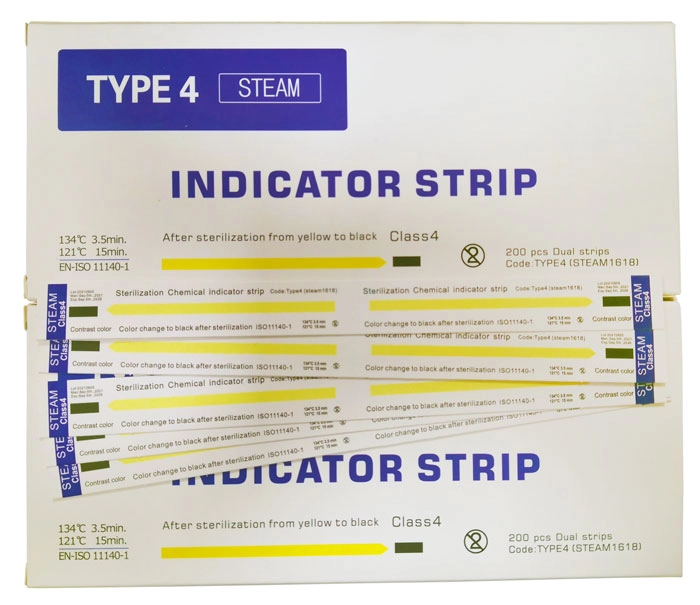
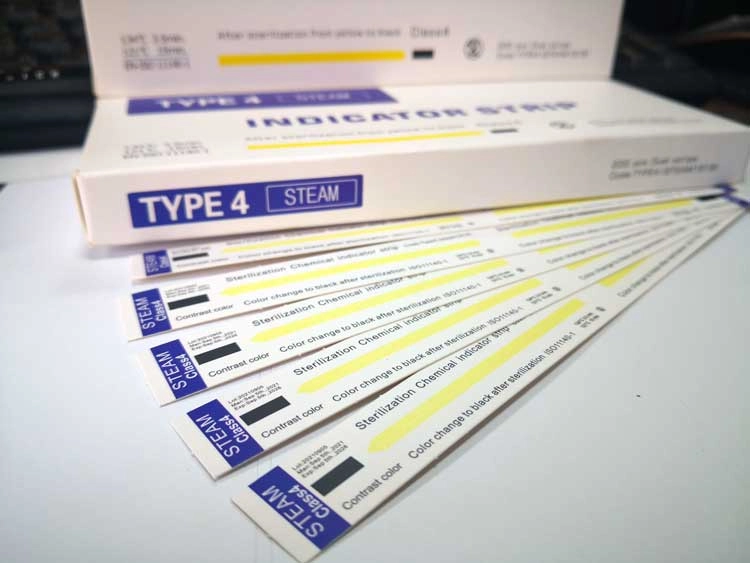
Sterility Assurance and Monitoring/Indicators for Sterilization/Chemical Indicators for Sterilization/Steam Sterilization/Autoclave Chemical Indicator: Ensuring Sterility/Chemical Indicators Class 4
SKU STEAM1618



Sterility Assurance and Monitoring/Indicators for Sterilization/Chemical Indicators for Sterilization/Steam Sterilization/Autoclave Chemical Indicator: Ensuring Sterility/ Chemical Indicator Class 1/Sterile Processing/Container seals
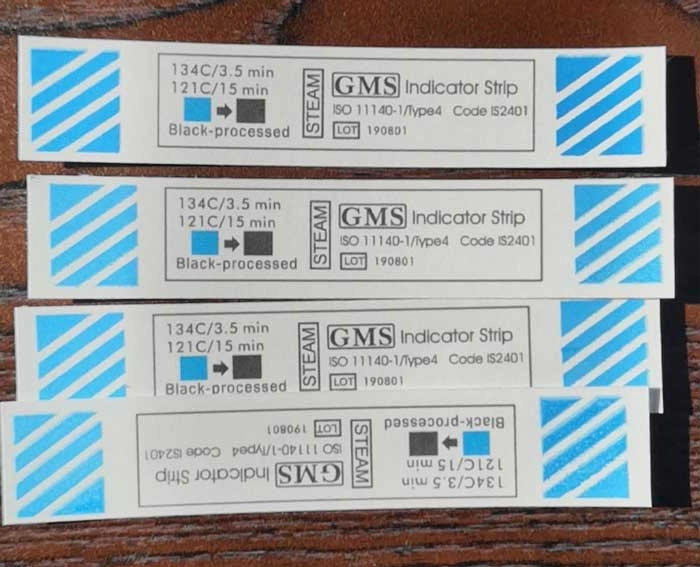
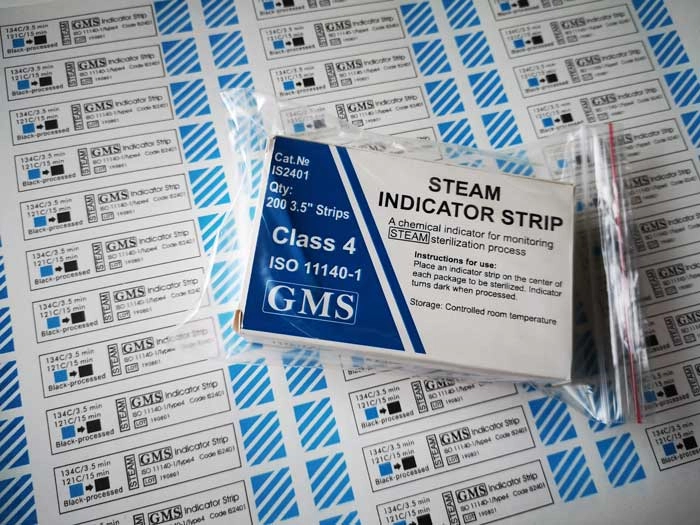
Sterility Assurance and Monitoring/Indicators for Sterilization/Chemical Indicators for Sterilization/Steam Sterilization/Autoclave Chemical Indicator: Ensuring Sterility/Chemical Indicators Class 4
SKU 124344
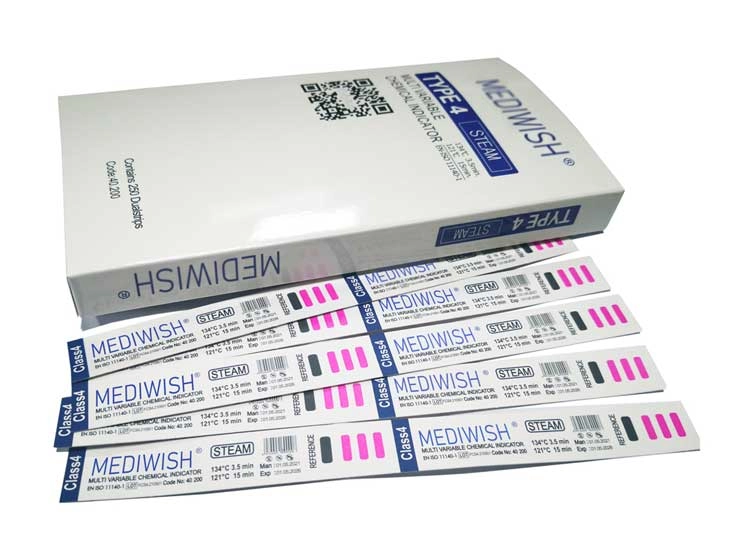
Sterility Assurance and Monitoring/Indicators for Sterilization/Chemical Indicators for Sterilization/Steam Sterilization/Autoclave Chemical Indicator: Ensuring Sterility/Chemical Indicators Class 4



Sterility Assurance and Monitoring/Indicators for Sterilization/Chemical Indicators for Sterilization/Steam Sterilization/Autoclave Chemical Indicator: Ensuring Sterility/Class 6 Indicators for Sterilization
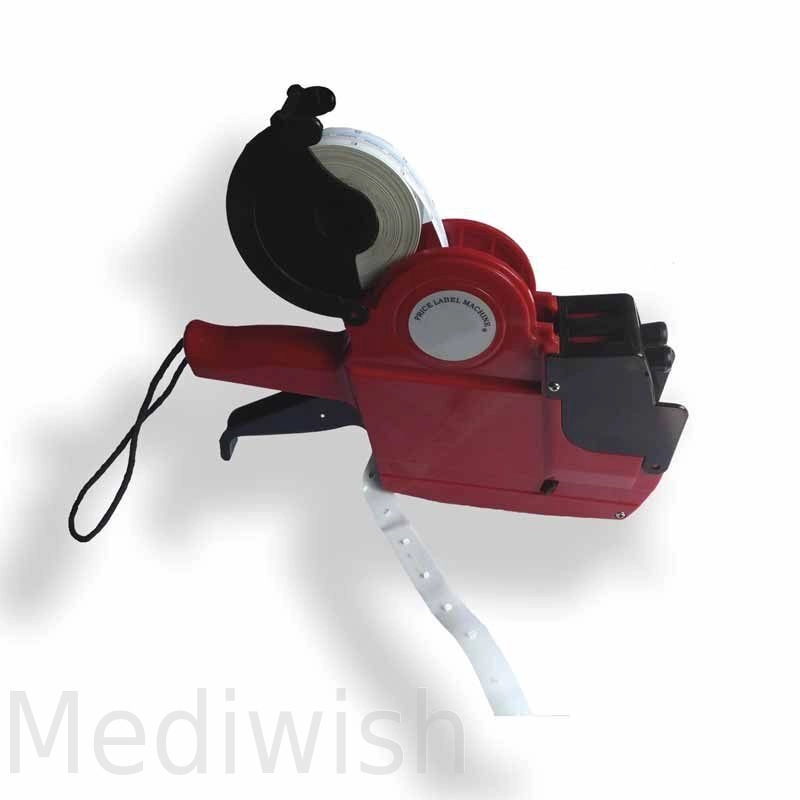
Sterility Assurance and Monitoring/Sterilization Equipment/Accessories/Steam Sterilization
Sterility Assurance and Monitoring/Steam Sterilization
SKU 88534

Sterility Assurance and Monitoring/Steam Sterilization

Sterility Assurance and Monitoring/Autoclave Tapes/Steam Sterilization/Autoclave Chemical Indicator: Ensuring Sterility/ Chemical Indicator Class 1
SKU 2346



Sterility Assurance and Monitoring/Steam Sterilization/Bowie Dick Helix Test/PCD Autoclave
BEST SELLER
SALE
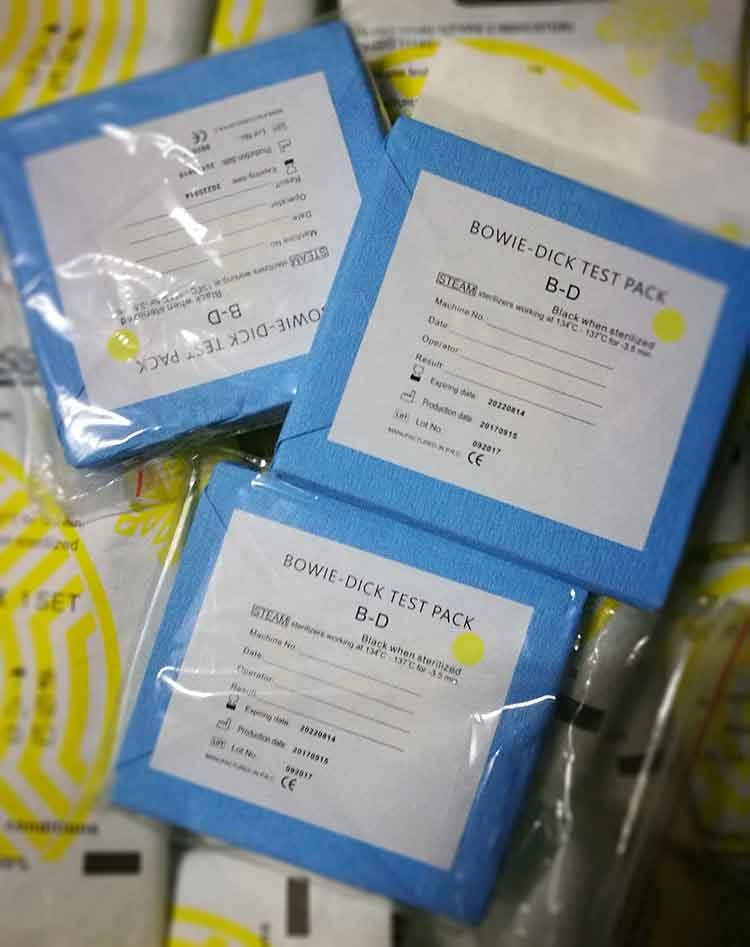


Sterility Assurance and Monitoring/Steam Sterilization/Bowie Dick Helix Test/PCD Autoclave
SKU 19764
What is steam sterilization?
Steam sterilization or autoclaving - sterilization with saturated steam under pressure. It is carried out at a temperature above the boiling point of water. This is the most reliable and common method of sterilization. The particular effectiveness of this method is achieved through the combined action of steam and high temperature.What is the purpose of sterilization?
Sterilization is the complete release of any substance or object from microorganisms by exposing them to physical or chemical factors.Sterilization of medical devices is carried out to kill all pathogenic and non-pathogenic microorganisms on them, including their spore forms.
Sterilization of medical devices must ensure the death of microorganisms of all types at all stages of development.
Sterilization is the final stage of medical device processing. The purpose of sterilization is to destroy microbiological contamination and thus prevent the transmission of infectious diseases associated with the use of medical devices and drugs.
How is steam sterilization carried out?
Steam sterilization is carried out by supplying saturated water steam under pressure in steam sterilizers (autoclaves). This technique is considered the most effective method, since the higher the pressure, the higher the temperature of the steam that sterilizes the material.Products made from textiles (linen, cotton wool, bandages, suture material), rubber, glass, some polymeric materials, nutrient media, and medications are subjected to steam sterilization.
What is the steam sterilization method?
With the steam sterilization method (autoclaving), the sterilizing agent is saturated water steam under excess pressure, at a temperature of 121-135 °C; sterilization is carried out in steam sterilizers (autoclaves).A steam sterilizer is a metal cabinet with strong walls, consisting of two boilers: a water-steam chamber, and a sterilization chamber, inserted into each other and hermetically sealed with a lid using fastening screws.
How is compliance with steam sterilization conditions monitored?
Monitoring compliance with the conditions for steam sterilization of drug solutions, culture media, and other solutions is usually carried out by physical methods (pressure gauges, thermometers) and biological indicators. However, the use of these methods alone does not provide a sufficiently complete picture of the efficiency of the sterilizer and compliance with the sterilization conditions inside the sterilized bottles with solutions.How is sterilization quality controlled?
Control of parameters of sterilization modes is carried out by physical (otherwise called mechanical method (using instrumentation: thermometers, pressure-vacuum meters, etc.) and chemical (using chemical indicators) methods. The effectiveness of sterilization is assessed based on the results of bacteriological studies carried out using biological indicators and when monitoring the sterility of products.
What is the purpose of sterilization?
Sterilization is the final stage of medical device processing (stages of medical device sterile processing: including decontamination, assembly and packaging, sterilization, and quality assurance). The purpose of sterilization is to destroy microbiological contamination and thus prevent the transmission of infectious diseases associated with the use of medical devices and drugs.
Types of quality control of sterility of medical products. Quality control of sterility of medical products.
1. Visual (the windows of the sterilization container are closed, the locks are closed, and the sterilization date is indicated on the sterilization container. The sterilization bags with the instruments are sealed)
2. Chemical indicators (determined by changes in the state of aggregation of chemical reagents)
3. Bacteriological indicators (carrying out washings from sterile material onto a nutrient medium)
4. mechanical indicators (timers, sensors, temperature loggers)