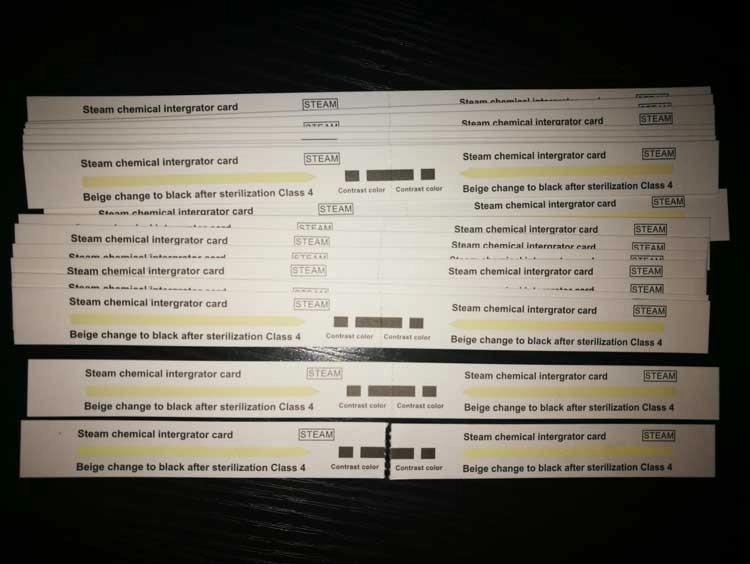


Guaranteeing Sterilization Success: Your Guide to Type 4 Steam Chemical Indicators
In healthcare, sterilization is essential. Type 4 Steam Chemical Indicators (SCIs) are crucial tools, acting as your silent guardians within the sterilization chamber.
What are Type 4 SCIs?
These single-use devices contain a special chemical ink that reacts to critical parameters during a steam sterilization cycle:
- Temperature: Typically reaching at least 121°C (250°F) for gravity displacement cycles and 134°C (273°F) for pre-vacuum cycles.
- Time: Ensuring adequate exposure to sterilizing conditions.
- Steam Penetration: Confirming steam reaches all areas, eliminating air pockets that harbor microorganisms.
Unlike biological indicators (which directly assess microbial kill but require days to process), Type 4 SCIs act as surrogates, indicating whether essential parameters have been met, suggesting sterilization success.
Benefits of Type 4 Indicators:
- Rapid results: Color change occurs immediately after the cycle, compared to days for biological indicators.
- Cost-effective: More affordable than biological indicators.
- User-friendly: No special training required for interpretation.
- High visibility: Clear color change ensures easy identification of processed items.
- Documentation proof: Provides physical evidence of processing conditions.
Selecting the Right Type 4 Indicator:
Consider these factors when choosing a Type 4 SCI:
- Temperature Requirements: Match the indicator to your specific sterilization cycle (121°C/250°F or 134°C/273°F).
- Cycle Type: Choose an indicator designed for gravity displacement or pre-vacuum cycles.
- Packaging Compatibility: Ensure compatibility with your packaging materials.
- Ease of Use: Consider factors like size, placement needs, and visibility for optimal workflow.
Common Types of Type 4 SCIs:
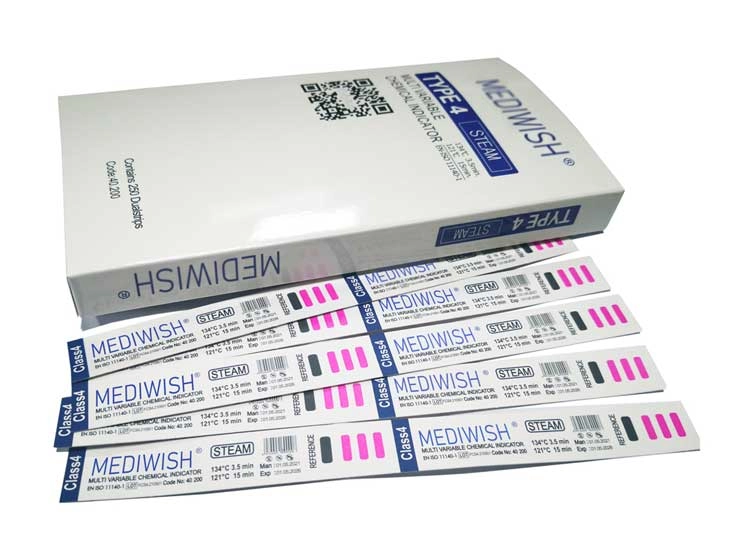
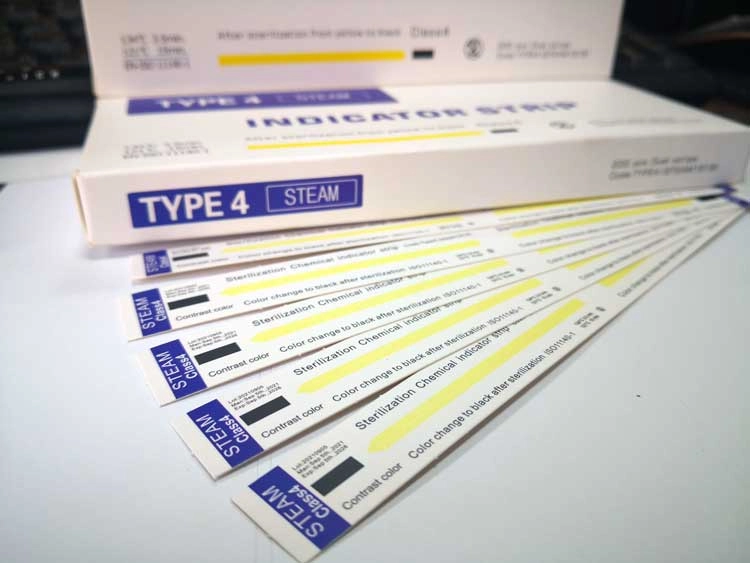
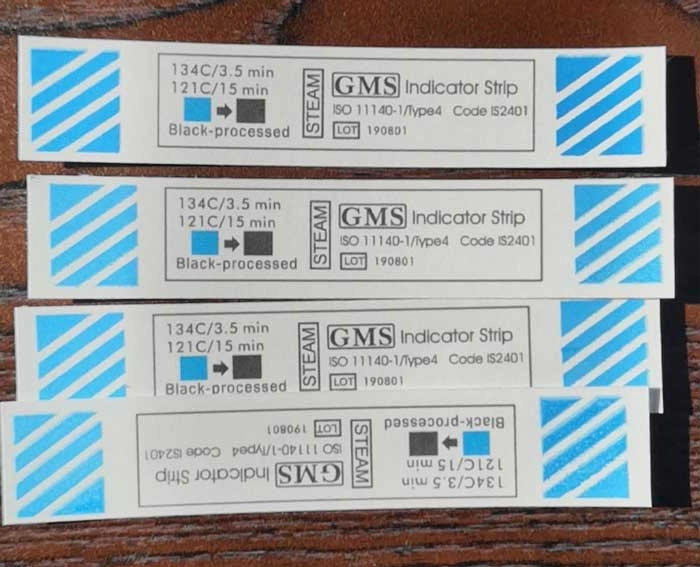
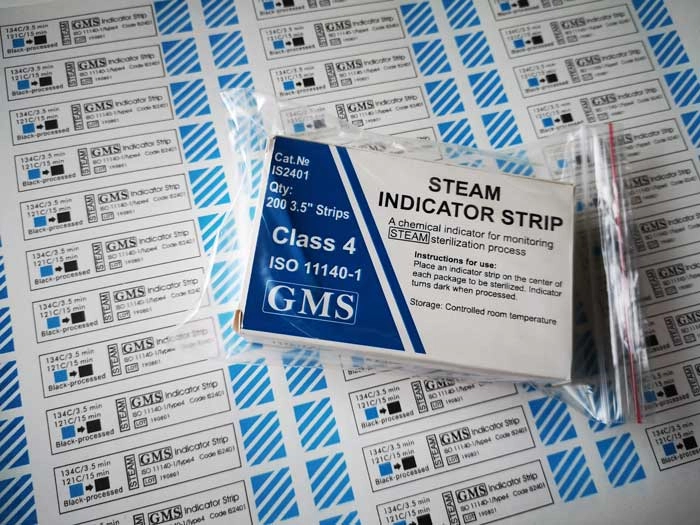
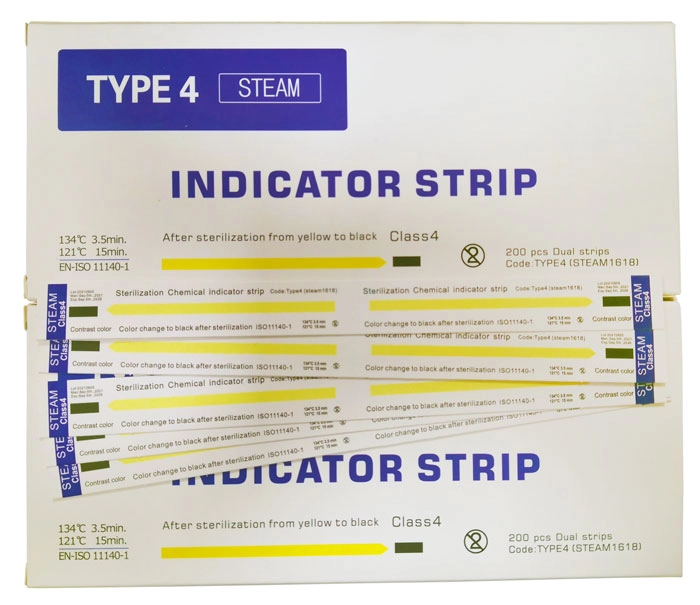
- Strips: Most popular, offering flexibility and affordability.
- Discs: Ideal for limited space or complex packaging.
- Vials: Provide additional protection against moisture, often used in critical applications.
Best Practices for Using Type 4 Indicators:
- Placement: Follow manufacturer instructions for optimal placement within the chamber.
- Recording and Documentation: Record essential details like date, cycle type, and indicator results for traceability.
- Storage and Handling: Store indicators in a cool, dry environment following manufacturer recommendations.
- Training: Train personnel on proper usage to ensure accurate monitoring.
Resolving Type 4 Indicator Issues:
- Partial or Uneven Color Change: Investigate potential issues like inadequate exposure or improper placement. Refer to the manufacturer's specifications for acceptable color change tolerances.
- Failed Indicators: Document details and repeat the cycle with a fresh indicator. Investigate the cause, consulting sterilization guidelines and support resources if needed.
The Future of Type 4 SCIs:
Advancements in technology are shaping the future of these indicators, including:
- Enhanced Colorimetric Indicators: Dyes with wider response ranges for easier interpretation.
- Integrated Time-Temperature Monitoring: Indicators directly integrating these parameters for simplified monitoring.
- Digital Integration: Indicators with features like microchips or QR codes for automated data recording and transmission.
By understanding Type 4 SCIs and embracing best practices, you can ensure effective sterilization and patient safety.
Resources:
- Association for Professionals in Infection Control and Epidemiology (APIC) ( https://apic.org/)
- American Society for Sterile Processing (ASSP) ( https://www.assp.org/about)
- Centers for Disease Control and Prevention (CDC) ( https://www.cdc.gov/)
- Food and Drug Administration (FDA) ( https://www.fda.gov/)
Partner with medical supply distributors to find indicators that align with your specific needs and sterilization practices.
Remember: Effective sterilization is crucial for public health. Type 4 SCIs are a valuable tool, and by implementing them correctly, you can contribute to a safer healthcare environment.
Please note: This information is for general knowledge only. Always consult with qualified professionals and regulatory bodies for specific guidance on sterilization practices.
Photo gallery