Choose tape for the specified sterilization method
Chemical indicator tape can combine package closure with external process-exposure identification when its instructions allow both uses. Steam, EO, formaldehyde and hydrogen peroxide products must be matched to their intended process. Colour change alone does not prove sterility.
Start with the process named in the product documentation. Steam, EO, formaldehyde and hydrogen peroxide plasma are distinct applications; similar-looking rolls are not interchangeable. The linked products below identify the available catalogue references, not a common cycle or endpoint for all tapes.
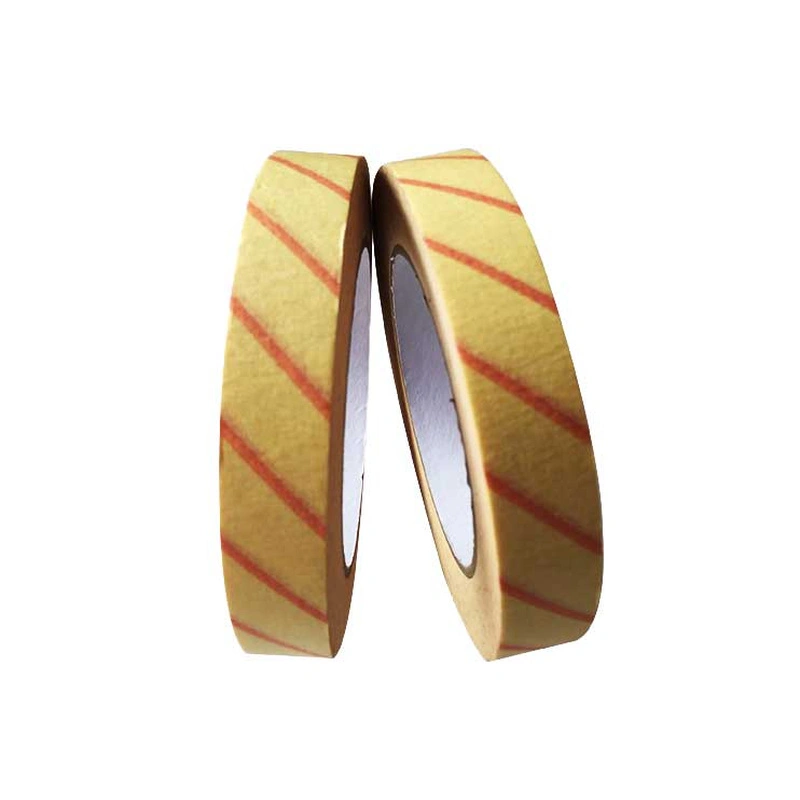
A pressure-steam tape may use an ink pattern on a paper carrier; film-based low-temperature products can have different materials and adhesion properties. Confirm the carrier, adhesive, packaging compatibility and indicator type for each reference rather than applying one construction to the whole range.
Dry-heat indicators, tape without a chemical indicator and dedicated Bowie–Dick tests are different product choices. Do not infer dry-heat availability from this seven-product listing. An ordinary closure tape is not a Bowie–Dick test or a process challenge device (PCD).
02
Photographs and process illustrations
Example of a steam-tape pattern before and after processing. Use the selected model’s endpoint; this is not proof of sterility or an endpoint for other processes.
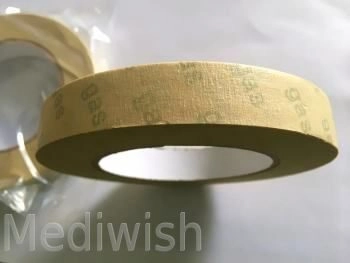
Illustration of steam, EO, formaldehyde and plasma tape types. The illustration is not a common colour chart or a model compatibility declaration.
Tape dispenser photograph. Confirm the roll width, diameter, core and material compatibility with the selected dispenser.
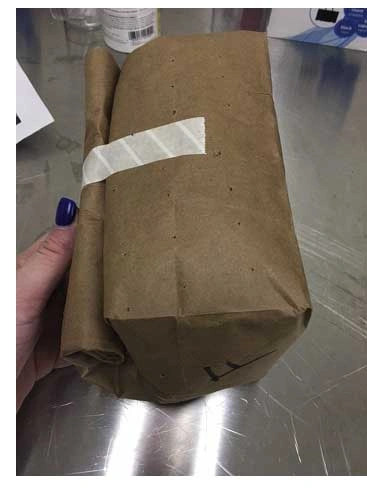
Photograph of tape on a wrapped pack. Appearance alone does not establish sterility or load release.
Steam/autoclave tape: confirm external closure/exposure use and packaging compatibility; the steam illustration is not a universal endpoint.
04
Dimensions, packaging and handling
Specify the required width and roll length, roll-core size, pack material and any dispenser. Widths mentioned for enquiry include 10, 12, 15, 18, 19, 20, 24, 25 and 30 mm; roll lengths include 25, 30, 50 and 55 m. These are dimensions to confirm for a selected model, not a promise that every combination or method is supplied.
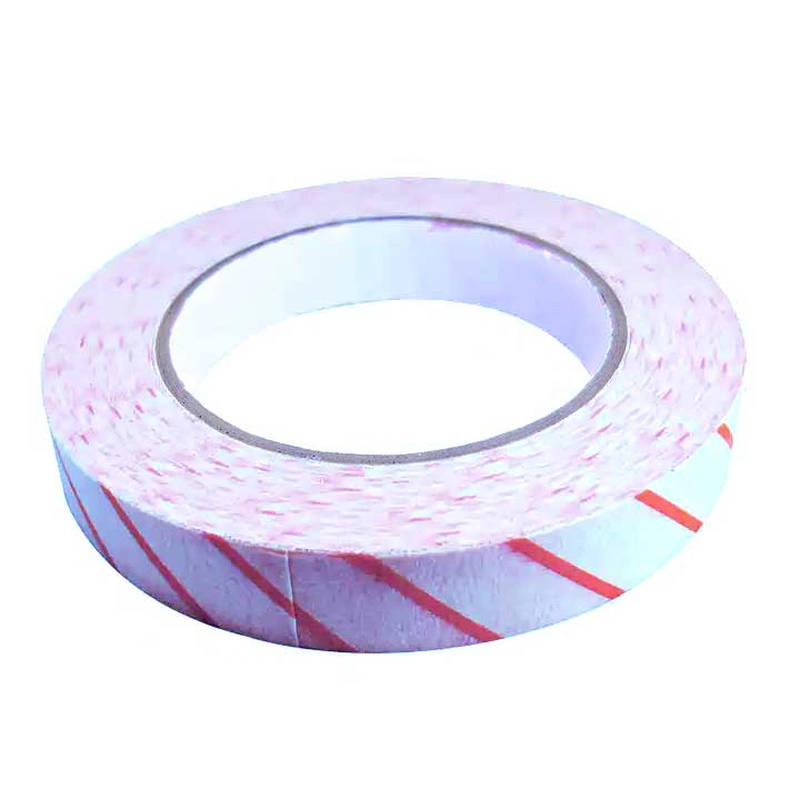
For a plasma-tape specification, confirm the actual film, packaging compatibility, adhesion, removal behaviour, dimensions, mechanical test methods and packing quantity. Do not adopt one example’s colour change, strength or carton count as a verified characteristic of every plasma tape.
Check the declared shelf life, storage temperature and humidity, protection from light and unintended exposure, and batch traceability. There is no single expiry period for all indicator tapes. A used or unintentionally exposed piece must not be treated as unused tape.
05
Use and interpretation
Check the product’s process designation, expiry, unused appearance and packaging integrity before use. Apply it to the position and suitable packaging surface stated in the instructions; confirm closure and visibility without assuming that tape creates a hermetic sterile barrier.
Avoid application conditions that the product instructions exclude, such as unsuitable stretching, folds, contamination or damp surfaces. Tape width, amount and overlap must follow the specific packaging and tape instructions, not a rule to cover the entire item.
Read the specified endpoint and timing for that model. The steam before/after illustration is an example of one tape pattern, not a universal yellow-to-black or pass/fail standard and not an EO, formaldehyde or plasma endpoint.
If the change is incomplete, absent or abnormal, investigate the product selection and storage, packaging, loading, equipment records and other monitoring results under the facility procedure. Colour alone cannot identify the cause or authorize load release.
06
Different monitoring roles
External tape mainly identifies exposure at its location and may secure the package. An internal chemical indicator is placed as specified to provide information about conditions inside the package. A biological indicator uses a biological test system; ordinary tape cannot replace it.
Type numbers identify different chemical-indicator functions, not a simple better/worse hierarchy. Obtain the actual type and applicable ISO 11140-1 documentation for the chosen model; this category makes no blanket conformity declaration.
Bowie–Dick and Helix tests and PCD systems address specified tests or challenges. Select their instructions and monitoring systems separately from ordinary tape. Maintain product/lot and load records as required by the facility quality system.
07
Product documents and purchasing
An automatic or semi-automatic dispenser is a workflow accessory, not a sterilization monitor. Confirm tape width, roll diameter, core and material compatibility; the dispenser photograph is not evidence that a particular machine is included with a tape order.
Price depends on the method, reference, dimensions, quantity, packing, destination documents and any private-label requirement. Request a model-specific quotation; no general market price or advertised shelf life is a specification.
Ask for the intended process, endpoint/colour reference, handling instructions, packaging compatibility, shelf life, lot marking and supporting technical or regulatory documents. Regulatory status and conformity depend on the exact product and destination market.
Send the product reference, sterilization method, packaging material, required dimensions, quantity and destination market. Ask for the model instructions, colour reference, shelf life, storage conditions and applicable technical documents.