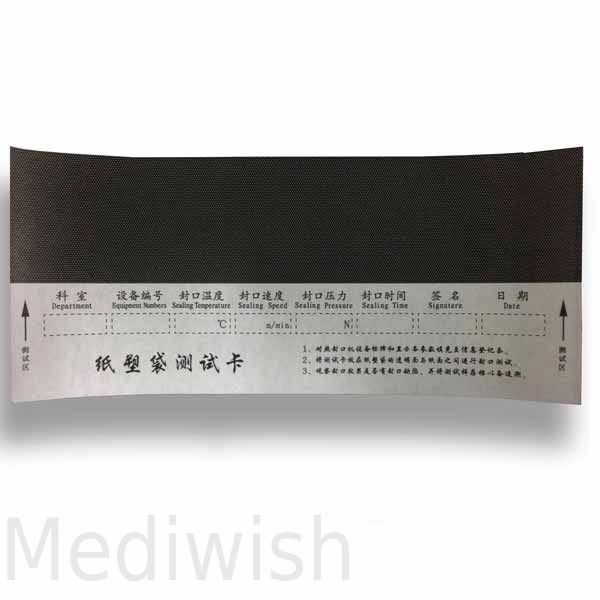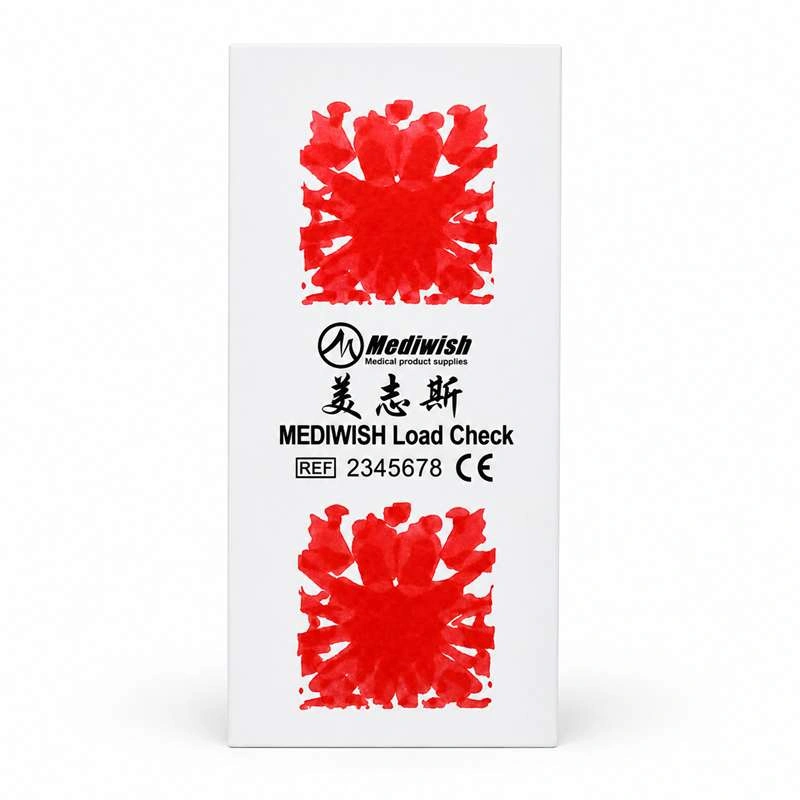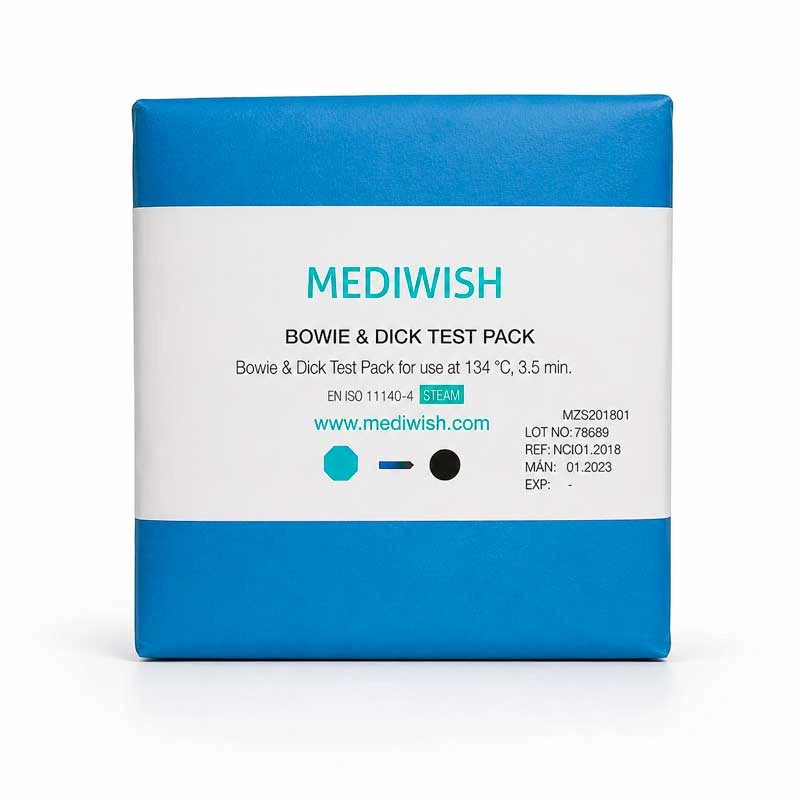

How to select chemical indicator strips by intended use, sterilization method and cycle. Compare indicator functions, read specified endpoints and understand the limits of chemical monitoring alongside other process controls.
Product guide
Chemical indicator strips help monitor whether a sterilization process has produced the conditions the indicator is designed to detect. Choose a strip for its stated purpose, sterilization method and cycle, then interpret it against the manufacturer's instructions. A satisfactory chemical response is one part of process monitoring; it does not establish that every item is sterile.
What do chemical indicator strips show?
An indicator produces a specified visible response to one or more process variables. Depending on its design, that response may be a colour change or a moving-front result. The relevant variables and acceptance criteria come from the product specification, not from the strip's appearance alone. ISO 11140-1 describes the general scope of chemical indicators.
Exposure to a process is different from proof of sterility. Chemical indicators do not replace the other controls used to evaluate sterilization. CDC explains this limitation within its monitoring guidance.
Match the indicator type to its task
Type numbers describe different functions; they are not a simple quality ranking. An external process indicator and an internal pack indicator answer different questions.
| Type | Function to check |
|---|---|
| 1 | Distinguishes exposure to the process from no exposure. |
| 2 | Serves a specified test, such as an air-removal test. |
| 3 | Responds to one critical process variable. |
| 4 | Responds to two or more stated critical variables. |
| 5 | Integrates all critical variables within its specified operating range. |
| 6 | Evaluates all critical variables for the specified sterilization cycle. |
STERIS provides a manufacturer overview of these six functions. The selected product's instructions determine where and how it can be used. A cycle-specific strip should not be substituted for a different cycle solely because both processes use steam.
How to select and use a strip
Before comparing price or pack quantity, establish four points: the sterilant, the cycle being monitored, the indicator's intended location or test system, and its stated acceptance criteria. A strip labelled for one process is not evidence of suitability for another.
- Check the product. Confirm the model, lot identification, expiry date for unused strips, storage conditions and applicable instructions.
- Place it as instructed. Use the location and any compatible holder or challenge device specified for that product and the facility's procedure. Do not invent one placement rule for every load.
- Read the specified endpoint. Compare the processed strip with the manufacturer's reference and reading instructions. Colours differ between products; a universal yellow-to-brown or red-to-blue rule is unsuitable.
- Record the result. Associate the observation with the relevant cycle or load record so it can be reviewed with the other monitoring results.
The FDA's U.S. chemical-indicator guidance identifies endpoint interpretation, storage, expiry, performance information and relevant limitations as important labelling information. Read the FDA guidance, especially its labelling section.
Read the result with the other process controls
| Method | Information considered |
|---|---|
| Physical or mechanical monitoring | The sterilizer's recorded cycle conditions. |
| Chemical monitoring | The indicator's response to its specified conditions. |
| Biological monitoring | The response of a defined resistant microbial test system. |
These methods complement one another. CDC's dental guidance describes their combined use, internal and external indicators, and traceable monitoring records. Its dental recommendations should be applied within their stated setting and the applicable local requirements. See CDC's dental sterilization-monitoring guidance.
If a chemical or mechanical result indicates inadequate processing, do not use the affected items. Follow the facility's investigation and release procedure, review the relevant records and involve the responsible personnel. An ambiguous strip should not be relabelled as a pass to keep a load moving. CDC's monitoring recommendations describe withholding inadequately processed items.
What should a buyer request?
Evaluate the identifiable product and its supporting information, rather than treating a country of origin or a standards number as proof of performance. For a sourcing or OEM discussion, request:
- The exact product code, intended use, indicator type and compatible process or cycles.
- Current instructions, endpoint reference and any reading or recording limitations.
- Product-specific performance evidence for the claims being offered.
- Lot traceability, packaging configuration and storage and expiry information.
- Applicable product and market documentation for the intended destination.
Provide the proposed cycle and use location when asking about an indicator. The information above makes it possible to assess a particular specification; this general guide does not assign operating parameters to an unidentified strip or confirm a regulatory status.