
Why ETO Indicator Tapes Matter: Ensuring Patient Safety and Compliance
EO sterilization:
- Used for medical devices and equipment sensitive to heat or moisture.
- Employs ethylene oxide gas to kill microorganisms, including bacteria, viruses, and spores.
- Essential for ensuring patient safety in healthcare settings.
Accurate monitoring:
- Verifies proper exposure to EO gas sterilization during sterilization cycle.
- Helps distinguish processed from unprocessed packages; a tape endpoint alone does not establish adequate processing or rule out excessive EO exposure.
- Contributes to process records; compliance depends on the complete applicable monitoring and quality system.
In short:
ETO indicator tape contributes visual evidence of EO sterilization exposure. It is one part of monitoring and does not independently guarantee sterilization effectiveness, patient safety or regulatory compliance.
Understanding ETO Indicator Tapes: Your Essential Guide
Definition type 1 chemical indicator and their function:
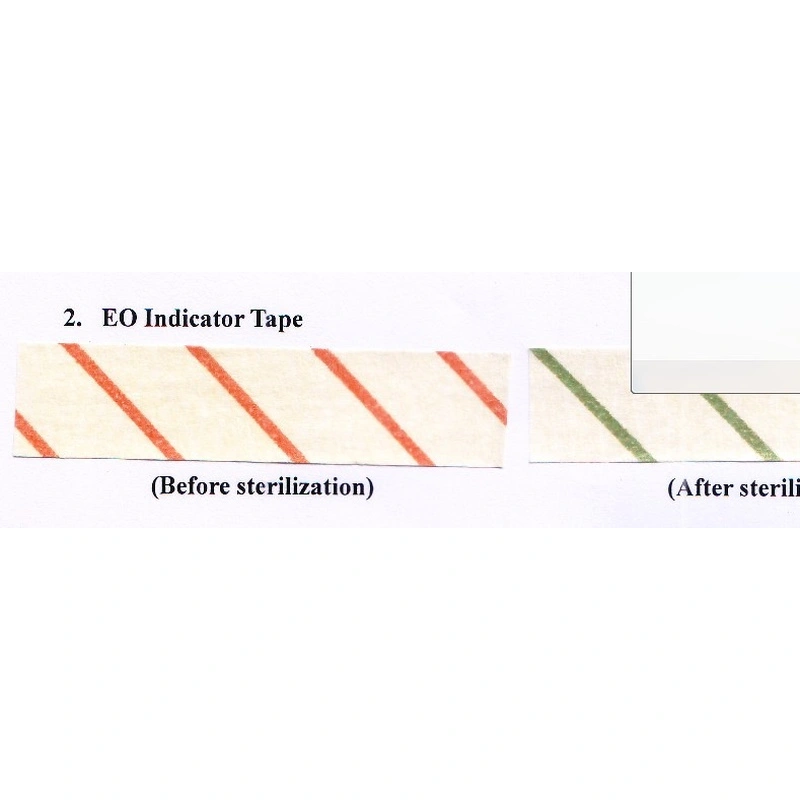
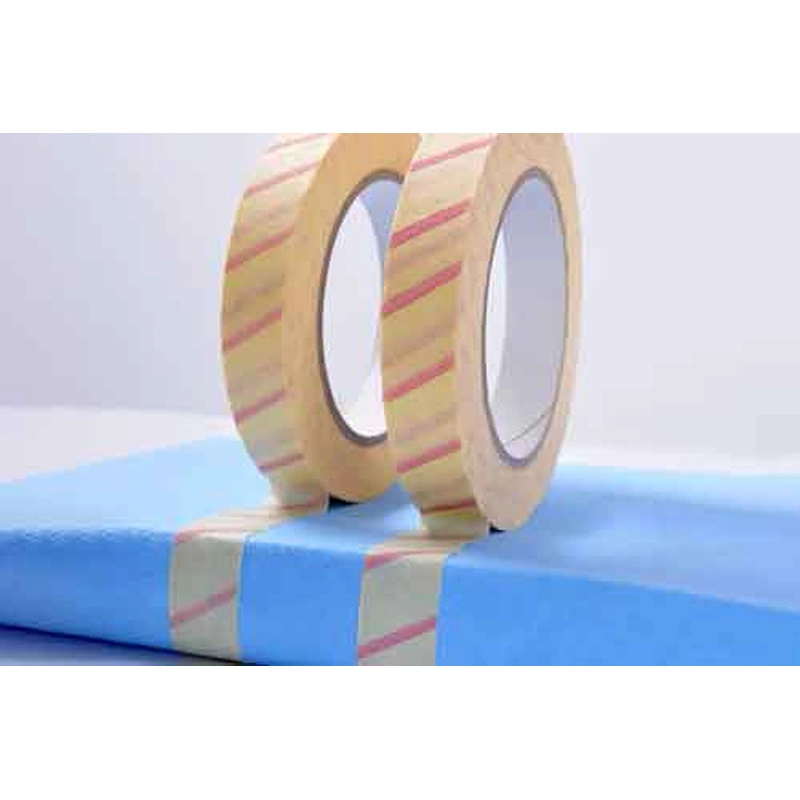
Type 1 chemical indicators are process indicators that undergo a visible change, such as a color change, when exposed to a specified sterilization process. In the context of ETO sterilization, EO indicator tape is used to show that a package or item has been exposed to an ethylene oxide sterilization process.
Function:
Their primary function is to provide visual evidence of exposure to the EO sterilization process. Type 1 indicators do not prove sterility and do not confirm that all critical sterilization parameters, such as EO concentration, humidity, temperature, and exposure time, were achieved throughout the load.
Limitations:
It's important to remember that type 1 indicators do not:
- Confirm every critical process variable or provide a quantitative reading of temperature, humidity or exposure time.
- Guarantee complete sterility or the effectiveness of sterilization.
- Replace biological indicators, which are considered the gold standard for sterility assurance.
Overall:
Type 1 chemical indicators offer a simple and cost-effective way to visually monitor ETO sterilization for evidence of exposure to the EO process. However, they should be used in conjunction with other monitoring methods for a more comprehensive assessment of sterilization effectiveness.
Key features:
The table illustrates specifications to check, not universal properties of every EO tape. Confirm the exact reference, test method and instructions for each value. The EO response conditions do not establish a clinical sterilization cycle or item sterility.
| Specification | Details |
|---|---|
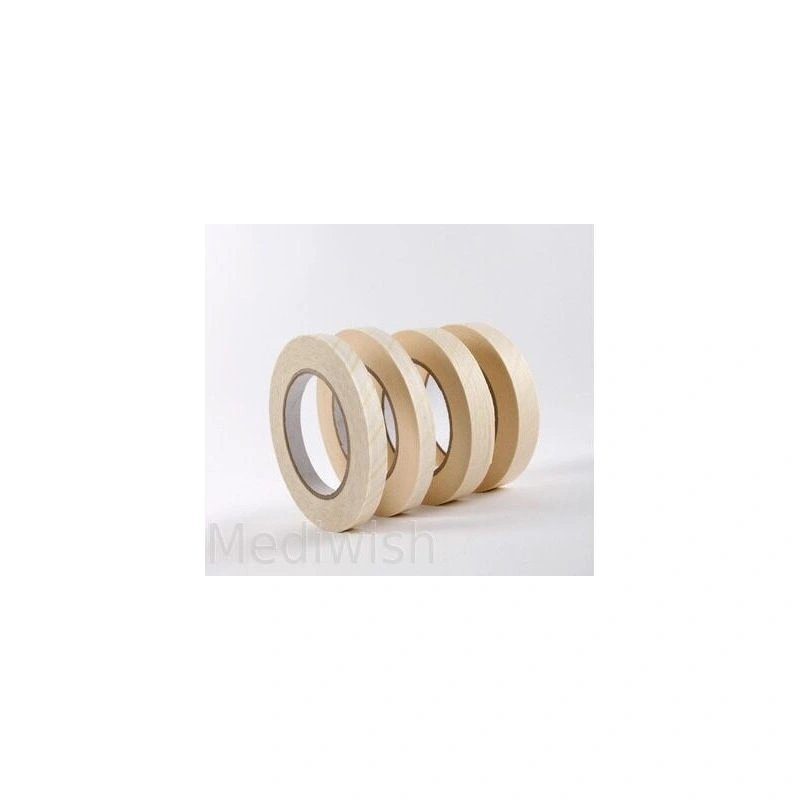
| Roll size | Convenient sizes like 50m x 18mm, 50m x 24mm, etc. cater to various usage needs. |
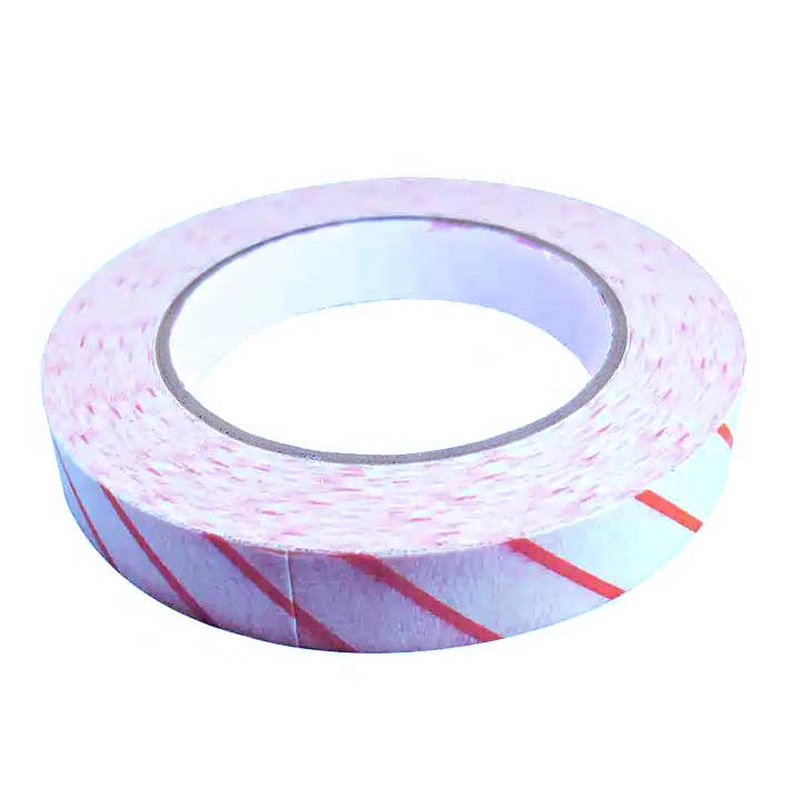
| EO gas chemical indicator | Color change (pink to orange) provides clear visual confirmation. |
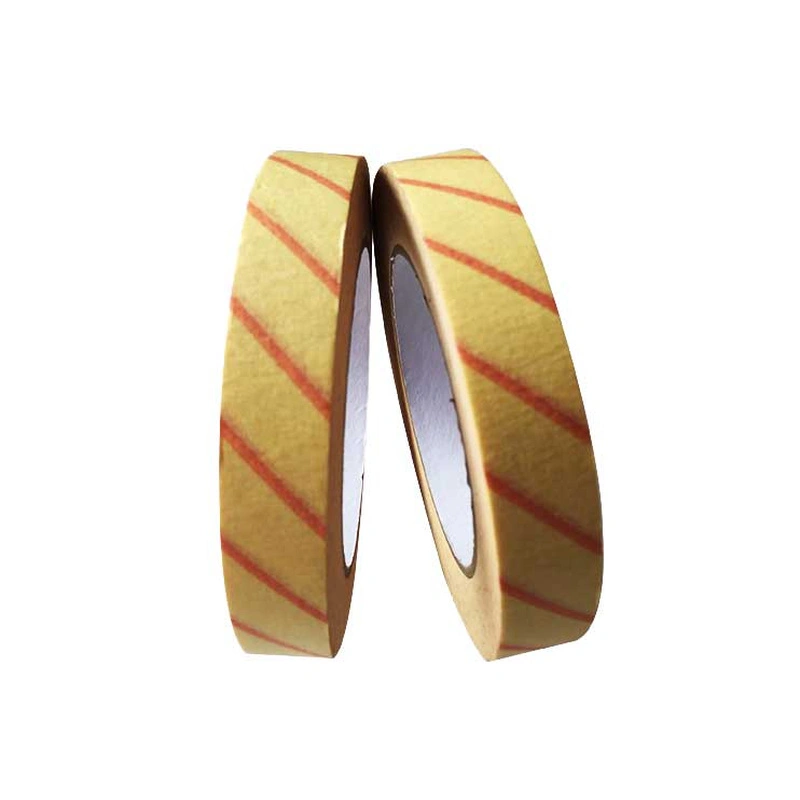
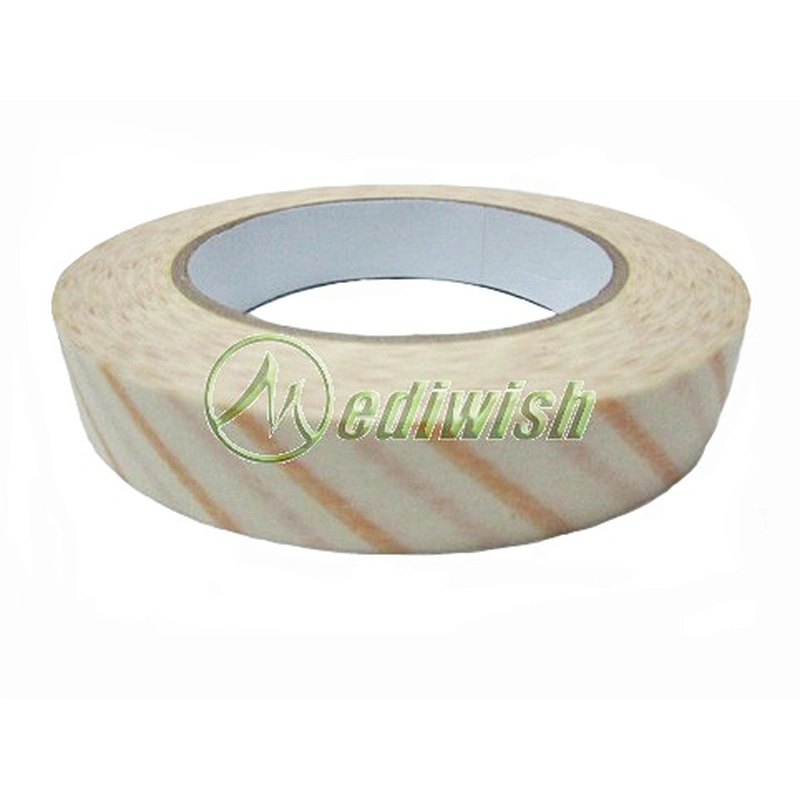
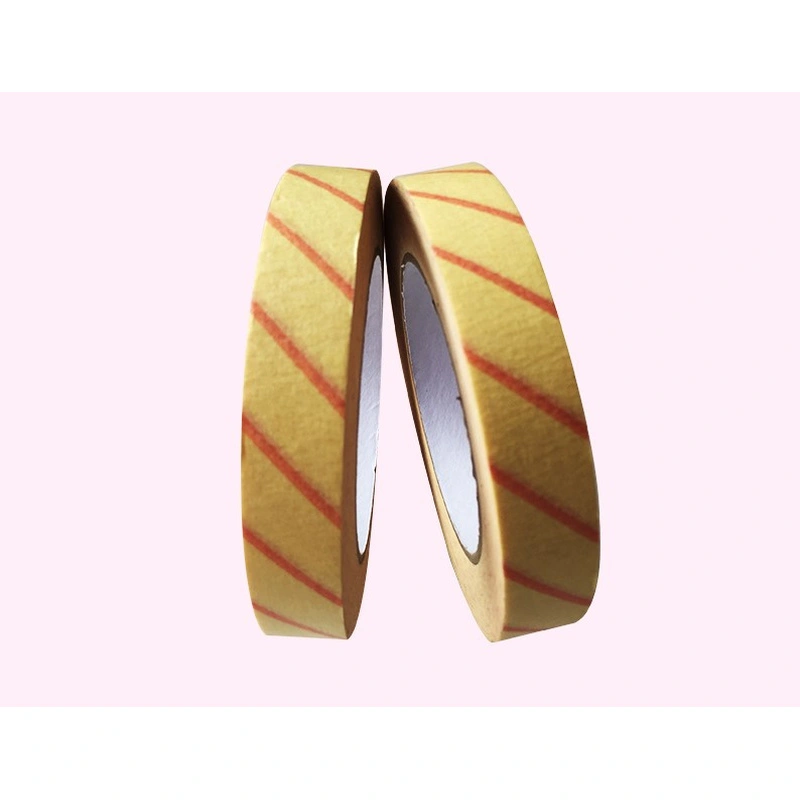
| Sterilization tape indicator | printed on surface with "zebra" pattern. |
| Adhesion Strength | Secure attachment to woven, non-woven fabrics, and sterilization wraps |
| Elongation | ≥7% |
| Tensile Strength | ≥8.0 N/25mm |
| Adhesion Strength to Steel | ≥10N/25mm |
| Compatible Temperature Range | 37°C–54°C |
| Color Sensitivity | Ensures reliable color change under specified EO conditions: |
| Conditions 1: 600 mg/l EO, 60% RH, 54ºC, 20 minutes | |
| Conditions 2: 600 mg/l EO, 60% RH, 37ºC, 25 minutes |
Intended Use: Evidence Control ETO Sterilization Monitoring in Gas Autoclave
This ETO indicator tape is designed to provide visual evidence of exposure in an EO gas sterilizer. A Type 1 exposure response does not measure the EO concentration or confirm that a required concentration was achieved throughout the load.
This information clarifies the specific purpose of the ETO indicator tape within the context of ETO sterilization processes. It emphasizes its use as a monitoring tool within designated equipment (EO gas sterilizer) and highlights its role in providing documented evidence of proper exposure.
Performance You Can Trust: Key Specs and Testing
· Color change threshold:
For the supplier-declared example of 600 mg/L EO, 60% RH, 54°C and 20 minutes, a claim such as CIELAB ΔE ≥25 needs a product-specific report and defined measurement method [4]. It is not proof of item sterility.
For the supplier-declared example of 600 mg/L EO, 60% RH, 37°C and 25 minutes, the same ΔE ≥25 claim needs its own supporting test evidence [4]. These are indicator response conditions, not a clinical sterilization cycle.
· Color difference CIELAB color space [3]:
· Temperature range: Verify compatibility with your sterilization cycle's temperature range.
· Independent testing: Look for data from reputable laboratories supporting performance claims.
- Independent laboratory evidence, such as an SGS report: request the actual report, sample identity, method, results and date before relying on the claim.
- ETO Indicator Tape is designed as a Type 1 chemical indicator according to ISO 11140-1 for ethylene oxide sterilization monitoring.
Safety First: Heavy Metal-Free and Material Compatibility
Heavy metal-free: Check the exact product composition and supporting safety documentation. ISO 11140-1 Type 1 classification does not certify the absence of heavy metals; ANSI/AAMI ST79 addresses steam sterilization in healthcare facilities, rather than establishing EO-tape composition requirements.
Material compatibility: Verify safe use with sterilization wrap materials in your facility.
Ease of Use: Adhesion strength: Ensure secure attachment throughout the sterilization process without residue upon removal.
Surface treatment: Opt for easy writing on the gas tape for clear identification and documentation.
User-Friendly Features for Streamlined Workflow
Secure Attachment and User-Friendly Features:
Adhesion Strength:
- This ETO indicator tape boasts strong adhesion that securely attaches to a variety of materials commonly used in sterilization, such as woven and non-woven fabrics, sterilization wraps, and even steel.
- Secure attachment helps keep the gas sterilization tape with the package for inspection and documentation. Adhesion alone does not guarantee accurate monitoring, package integrity or protection from contamination.
Surface Treatment:
- The ethylene oxide indicator tape features a specially treated surface that allows for easy and clear writing.
- This facilitates crucial documentation by enabling you to readily mark essential information like lot numbers, sterilization cycle details, or dates directly on the sterilization indicator tape.
- Clear and accurate labeling promotes organization and traceability within your sterilization processes.
Additional Features:
- Pre-printed lot numbers: This option eliminates the need for manual labeling, saving time and reducing the risk of errors.
- Sterilization cycle indicators: Pre-printed icons or indicators on the tape can easily identify specific sterilization cycles, simplifying record-keeping and ensuring the right tape is used for each process.
Benefits of Strong Adhesion and User-Friendly Features:
- Reliable monitoring data due to secure attachment throughout the sterilization cycle.
- Enhanced organization and traceability through clear labeling.
- Improved efficiency and reduced errors with time-saving features like pre-printed information.
Simplifying Your Sterilization Workflow: Easy Handling and Clear Documentation
This ETO indicator tape goes beyond just confirmation. It prioritizes your convenience and efficiency with features designed to streamline your sterilization processes:
Effortless Application:
- Strong, secure adhesion: Stays firmly attached to various materials throughout the cycle, eliminating worries about detachment and ensuring accurate monitoring.
- Flexible and tear-resistant: Handles easily without ripping or breaking, making application and removal simple.
Crystal-Clear Documentation:
- Dedicated writing surface: Write legibly with any pen or marker, allowing for clear labeling of lot numbers, dates, and sterilization cycles directly on the tape.
- Pre-printed options: Choose tapes with pre-printed lot numbers or sterilization cycle indicators to save time and minimize labeling errors.
Benefits:
- Reduced handling time: Easy application and removal minimize disruption to your workflow.
- Enhanced traceability: Clear labeling ensures accurate identification of individual items and sterilization cycles.
- Improved workflow efficiency: User-friendly features save time and minimize potential errors.
This ETO indicator tape doesn't just monitor. It becomes a seamless extension of your sterilization process, ensuring accuracy while empowering you to work efficiently and maintain clear documentation.
Beyond the Basics: Choosing the Right Tape for Your Needs
Choosing the Right Fit: Beyond Basics for Your Ethylene Oxide Sterilization Monitoring
While performance and usability are crucial, selecting the right ETO indicator tape involves several additional factors specific to your needs:
Cost-Effectiveness:
- Compare features and prices to find a balance between affordability and essential qualities. Consider bulk purchase options for high-volume usage.
Specific Needs:
- High-temperature resistance: For specialized sterilization cycles with higher temperatures, opt for tapes designed to withstand those conditions.
- Extended shelf life: If you require long-term storage, choose tapes with extended shelf life to ensure effectiveness when needed.
- Additional functionalities: Explore features like pre-printed information, color-coding, or compatibility with specific sterilization wrapping materials.
Regulatory Compliance:
- Check the exact product’s intended use and supporting evidence against the requirements applicable in your region. ISO 11140-1 addresses chemical indicators; ANSI/AAMI ST79 is a healthcare steam-sterilization guide, not an EO-tape regulatory approval.
- A standard reference or Type 1 designation alone does not establish compliance with all applicable safety and performance requirements.
Remember:
The ideal ETO indicator tape isn't a one-size-fits-all solution. By carefully evaluating your specific needs and priorities, you can choose a chemical indicator tape that offers optimal performance, user-friendliness, and cost-effectiveness while adhering to regulations.
Additional Tips:
- Consult with sterilization professionals or equipment manufacturers for specific recommendations based on your setup and usage.
- Research and compare different brands and types of ETO indicator tapes available.
- Request samples or trial programs to test and evaluate the tape in your actual workflow.
By considering these factors and actively seeking informed choices, you can ensure you have the right ETO indicator tape to optimize your sterilization monitoring effectively and confidently.
Finding the Ideal Ethylene oxide indicator tape for Success
Choosing the Right EO gas indicator tape: Key Points and Informed Selection
Effectively monitoring ETO sterilization is crucial for patient safety and compliance. Understanding key factors like performance, safety, ease of use, and specific needs empowers you to select the best ETO indicator tape for your facility.
Key Points:
- Performance: Ensure accurate color change within specified EO parameters and consider independent testing data.
- Safety: Opt for heavy metal-free tapes complying with regulations and verify material compatibility.
- Ease of Use: Secure adhesion, easy writing surface, and additional features like pre-printed information can streamline your workflow.
- Specific Needs: Evaluate requirements like high-temperature resistance, extended shelf life, and special functionalities.
- Regulatory Compliance: Ensure the eto tape adheres to relevant regional regulations.
Informed Selection:
By carefully considering these factors and comparing available options, you can make an informed decision and choose the ETO indicator tape that perfectly aligns with your specific needs and priorities. This helps balance performance, usability and cost within the complete monitoring and quality system; the choice of tape alone does not establish compliance or successful sterilization.
Remember: Informed selection empowers you to choose the ideal ETO indicator tape, safeguarding patient safety and upholding high sterilization standards within your facility.
Disclaimer: This information is for educational purposes only and does not constitute medical advice. Always consult with qualified healthcare professionals regarding sterilization procedures and product selection.
Further Resources
[1]. AAMI: [ https://www.aami.org ]
[2]. CDC: [ https://www.cdc.gov ]
[3]. CIELAB color space: [ https://en.wikipedia.org/wiki/CIELAB_color_space ]
[4]. CIELAB ΔE: [ https://www.sciencedirect.com/topics/engineering/perceived-color-difference ]
- ISO 11140-1:2014 — public chemical-indicator scope
- ISO 11135:2014 — public EO process validation and routine-control scope
- CDC: sterilization monitoring in healthcare practice
- AAMI: ST79 — healthcare steam-sterilization scope
- Mediwish: one named EO-tape reference and supplier-declared response conditions
- CIE: CIELAB colour-difference definition