
Helix Test for Autoclave: What Is It and Why Is It Important?
The Helix test is a crucial procedure that assesses the effectiveness of steam penetration into an autoclave chamber. This test is particularly vital in dental offices where instruments with lengthy cavities are used. Inadequate sterilization of these instruments can potentially transmit harmful bacteria and viruses, posing risks to both patients and dentists.
Understanding the Significance
The Helix test specifically simulates the autoclave's performance when sterilizing hollow loads. It focuses on two critical aspects:
1. Evaluating Pre-Evacuation and Steam Penetration
The test assesses the efficiency of pre-evacuation, which is essential for ensuring the complete penetration of steam into the cavities of instruments. Proper sterilization hinges on this crucial step.
2. Monitoring Temperature and Steam Pressure
The chemical indicator in a Helix device shows its response to the specified steam test conditions. Temperature and pressure readings come from the sterilizer's monitoring system; the strip does not measure these values.
Applicability
Use a Helix device only with the sterilizer and cycle specified in its instructions. Many products are intended for Type B cycles. ISO 11140-6 also covers certain test systems for some Type S cycles; this does not make a Type B-only product suitable for them.
In the field of dentistry, the Helix test takes on particular significance due to the widespread use of hollow instruments. Their processing requirements depend on their lumen geometry and manufacturer instructions; a device name alone does not establish a hollow-load category.
Tips and turbines: assess the actual internal channels.
Cannulas and tubes: assess the actual lumen geometry.
Select a sterilizer cycle validated for the actual instruments and packaging. A Type B cycle designation alone does not establish suitability for every hollow instrument or wrapped configuration.
Adhering to Standards
To ensure the correct operation of an autoclave, the EN 13060 standard recommends performing several tests:
- Vacuum Test
- Bowie and Dick Test
- Helix Test
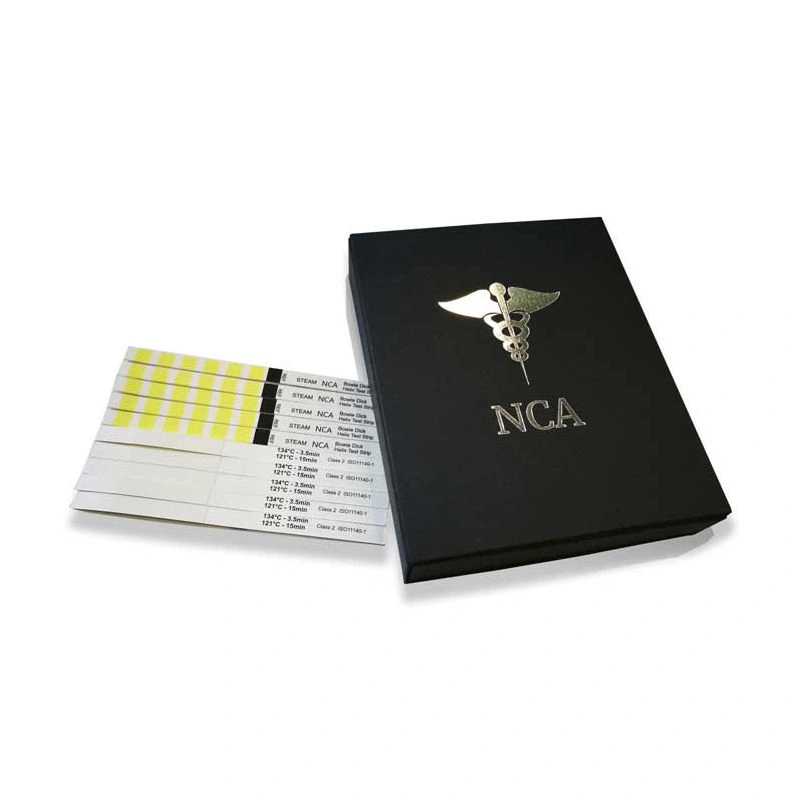
Follow the applicable schedule and instructions for each test. Chemical controls (sterilization indicators), biological monitoring and physical cycle records have complementary roles in monitoring the sterilization process.
A Helix-type challenge assesses defined steam penetration into a narrow lumen test device. ISO 11140-6 explicitly distinguishes its test devices from surrogate devices for actual hollow medical instruments; passing the challenge does not validate every turbine or contra-angle.
The Helix Test Procedure
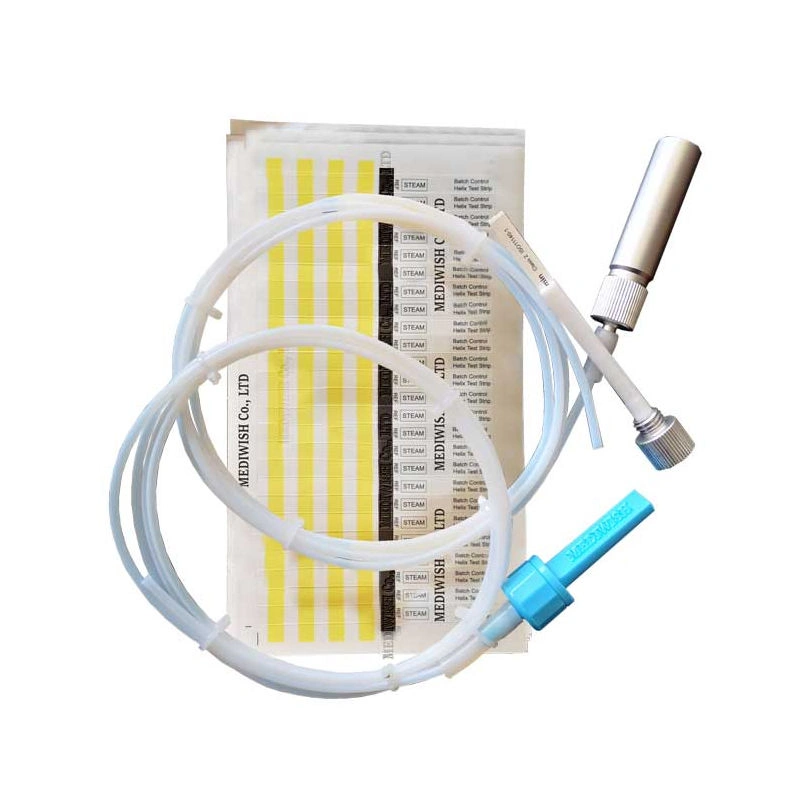
Prepare the sterilizer and test device, then select the test programme according to their instructions. The overview below describes the test components and stages; the warm-up sequence and timing are equipment-specific.
- Test Setup: The Helix test is placed separately (without any instruments) into the sterilization chamber at the level of the steam outlet (bottom tray) or as specified by the manufacturer.
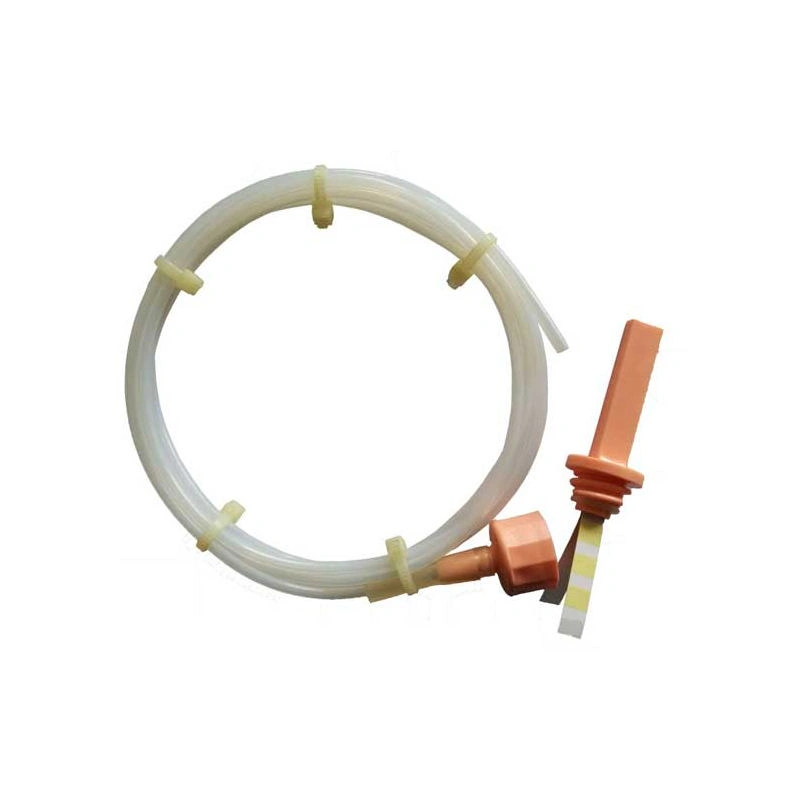
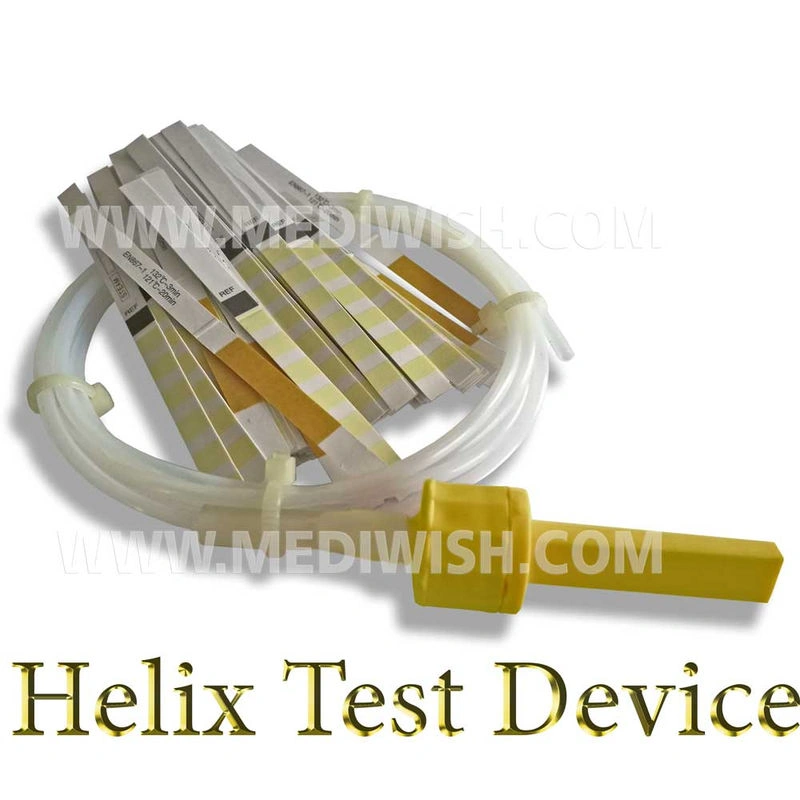
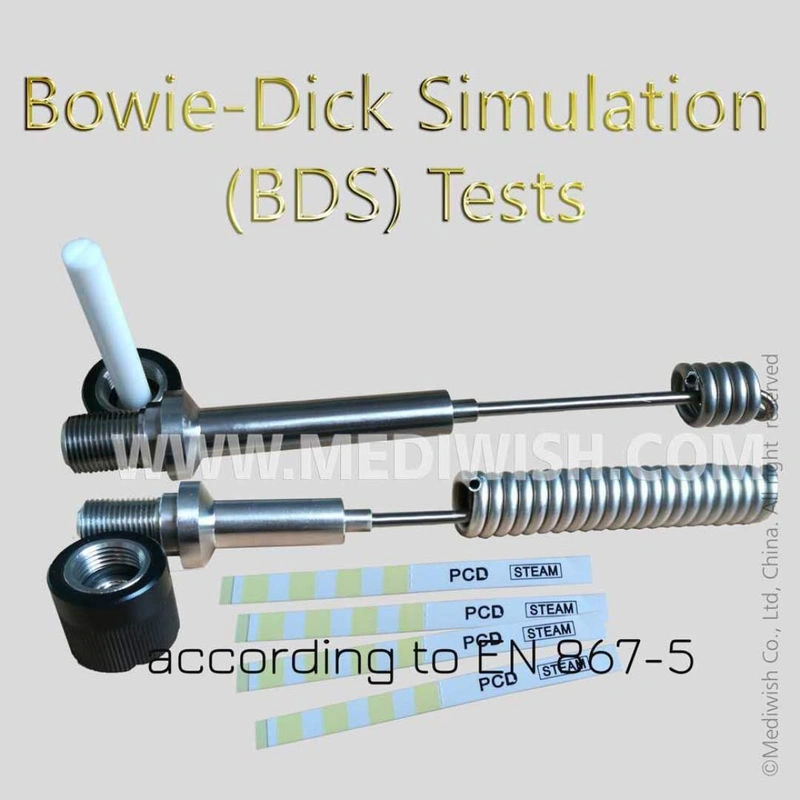
- Chemical Indicator: Place the specified indicator strip in its holder or capsule. A tube connects it to the challenge pathway; for example, the W&H Helix product has a 1.5-metre tube. This is a named product example, not a universal dimension.
- Creating a Vacuum: To ensure the test's success, all air must be removed from the entire tube, creating a vacuum.
- Introducing Steam: Steam is then introduced to test the autoclave's sterilization ability.
- Color Change Indicator: The sterilizing agent's contact with the indicator causes a color change, indicating the sterilization process's effectiveness.
If the test does not meet its specified acceptance criteria, follow the documented failed-test procedure and obtain the appropriate trained-person or manufacturer assessment. A repeat test, repair or replacement must follow that assessment and the applicable instructions; the indicator alone does not identify the cause.
Ensuring Traceability
Conducting a Helix test daily offers invaluable insights into your autoclave's performance and the effectiveness of instrument sterilization. This data becomes especially crucial if a patient infection occurs. To maintain traceability, it's recommended to maintain a register that includes the indicator's information and printouts of each cycle. These records support traceability and review of autoclave performance; they do not by themselves prove correct functioning in every cycle.
Conclusion
The Helix test is an indispensable quality control measure for autoclaves, particularly in dental settings where the sterilization of hollow instruments is essential for patient and staff safety. Regularly conducting this test and maintaining records is critical for ensuring the reliability of the sterilization process.
Frequently Asked Questions (FAQs)
1. Why is the Helix test important in dental offices?
The Helix test is crucial in dental offices because it assesses the effectiveness of sterilizing hollow instruments. Inadequate sterilization can pose risks to both patients and dental staff.
2. What types of instruments fall under Type B autoclaves?
Type B autoclaves are designed to sterilize instruments with cavities, including cannulas and tubes, even when they are wrapped.
3. How often should the Helix test be performed?
It's recommended to conduct the Helix test daily to ensure ongoing monitoring of autoclave performance and sterilization effectiveness.
4. What should be done if the Helix test results are negative?
For a chemical Helix test, interpret the result using its specified pass/fail criteria. An unacceptable result requires the documented response and appropriate technical assessment, rather than an automatic decision to repair or replace the sterilizer.
5. Why is traceability important in relation to the Helix test?
Maintaining traceability through records and documentation is crucial in case of patient infections. It allows for the demonstration of the autoclave's correct functioning and the effectiveness of sterilization processes.
References
- ISO 11140-6:2022 — public scope for small-sterilizer challenge devices
- W&H: Helix test — named product construction and use example
- BSI: current BS EN 13060 edition and small-sterilizer scope
- CQC: validation and records for dental decontamination equipment — England
- CDC: dental sterilization monitoring and the limits of chemical indicators